


How Online Casinos Are Changing the Digital Gaming Experience
Online casinos have changed a lot since the first desktop sites. Most play now happens on phones, crypto payments sit next to cards and e-wallets, and the technology often moves faster than the rules that govern it. Nowhere is that gap clearer than in Malaysia, where gambling law is strict even though almost any gaming site can be opened from a local connection.
It also affects how people find these sites. Plenty of players search for names like playdash online casino because they want something easy to access, but a familiar name doesn’t tell you whether a site is licensed to run gambling. To see where the industry is going, it helps to look at the technology, the payments and the local rules behind it.
From Traditional Casino Websites to Mobile Entertainment
Early online casinos mostly copied familiar games onto desktop computers. Roulette, blackjack and slots were easier to reach than a physical casino, but slow connections and basic graphics held the experience back.
Phones changed what players expect. Games now have to fit a small screen, respond instantly to touch and run smoothly on whatever device someone happens to use.
Why the Phone Screen Changed Everything
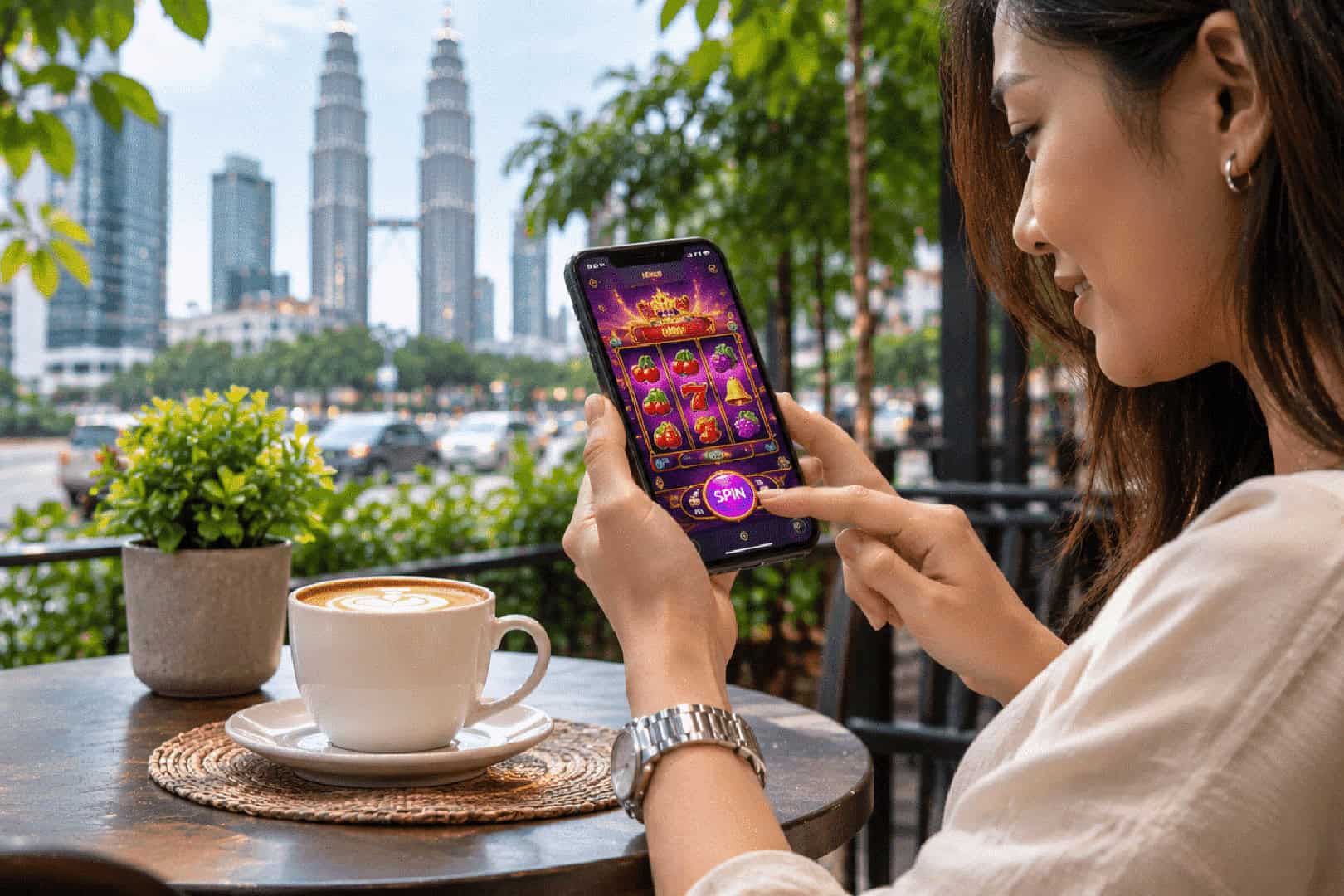
A phone screen doesn’t leave much room, so a casino app has to be built around that. Menus need to stay within reach mid-game, pages should load on an ordinary mobile connection, and the controls should work the same on a phone and a tablet. The small print matters too. Wagering requirements, payment terms and responsible gambling settings are easy to miss when they’re tucked into a corner of a small screen.
That’s more than a design issue. If an app makes it hard to see how your balance is calculated or how a withdrawal works, you’re the one who pays for it.
Cryptocurrency and the Changing Payment Landscape
Payments are where a lot of the change is happening. Online casinos have long relied on bank cards, e-wallets or local payment services, but crypto works differently, because transactions run on a blockchain instead of through a bank.
More people are looking for casino crypto options as digital assets become more common. Some operators accept crypto directly, while others use a payment processor that converts it into regular currency behind the scenes. A Forbes analysis of crypto casinos argues that dollar-pegged stablecoins solved a basic problem for players: they no longer had to bet on a coin’s price and on the game at the same time. Nobody agrees on how big the sector has become, though. One analytics firm put crypto casino revenue at $81.4 billion in 2024, while another, Tanzanite, estimates a little over $10 billion.
What Players Should Understand About Crypto Payments
Crypto and card payments work differently, and the differences affect you directly when something goes wrong:
| Payment consideration | Traditional methods | Cryptocurrency |
| Processing | Depends on banks and providers | Depends on blockchain networks |
| Transaction reversal | May offer dispute procedures | Usually irreversible once confirmed |
| Value stability | Generally tied to fiat currency | Depends on the digital asset |
| Fees | Set by payment providers | Influenced by network and service fees |
Paying in crypto doesn’t make gambling safer or more private. Blockchain transactions can be traced, one wrong character in a wallet address can cost you the money for good, and a site accepting crypto tells you nothing about whether it’s licensed.
Online Casino Gaming in Malaysia
Malaysia has an active digital entertainment culture, with smartphones providing access to games, streaming services and interactive content. Online gambling is a different matter. The country’s gambling rules are restrictive, and a site that opens on a Malaysian connection is not necessarily lawful for Malaysian residents.
Lots of people search for playdash malaysia, and it may just be curiosity about a gaming brand. Still, before you use any gambling site, find out what it actually offers and whether Malaysian law permits it. It’s also worth telling free-to-play games apart from real-money gambling. They can look almost the same, but what you stand to lose, financially and legally, is very different.
How to Tell a Trustworthy Casino From a Risky One
A slick design and a huge game library don’t tell you much about whether a casino can be trusted. What matters more is how openly the operator behaves. Before you sign up, check that:
- the company behind the site is named, with a real address and not just a brand
- any license it claims is named and can be looked up on the regulator’s own website
- fees, withdrawal limits and bonus conditions are easy to find, not buried in the terms
- game rules and return-to-player figures are published
- the account has real security options, such as two-factor login
For readers in Malaysia, a foreign license does not make a site legal in Malaysia. Finally, check what the site offers if gambling stops being fun. Deposit limits, self-exclusion and clear links to support services show the operator expects some players to struggle. They won’t prevent harm on their own, but a site without them isn’t worth your time. It’s also worth reading independent reviews and user complaints, since promotional pages rarely mention the downsides.
Conclusion
Online casinos are a lot easier to use than they were ten years ago. They run on a phone, they take crypto, and the games look better. But a nice app tells you nothing about who is behind it. Plenty of sites accept crypto and have no license anyone can check, and for readers in Malaysia even a real foreign license doesn’t make a site legal there.
Payments and mobile apps will keep getting better, but that isn’t what should decide whether you trust a site with your money. Before you deposit, find out who runs it and check the license with the regulator. Then read what it says about fees and withdrawals. If it offers deposit limits and self-exclusion, that’s a good sign. If it doesn’t, move on.

Stay Updated on Malaysia