


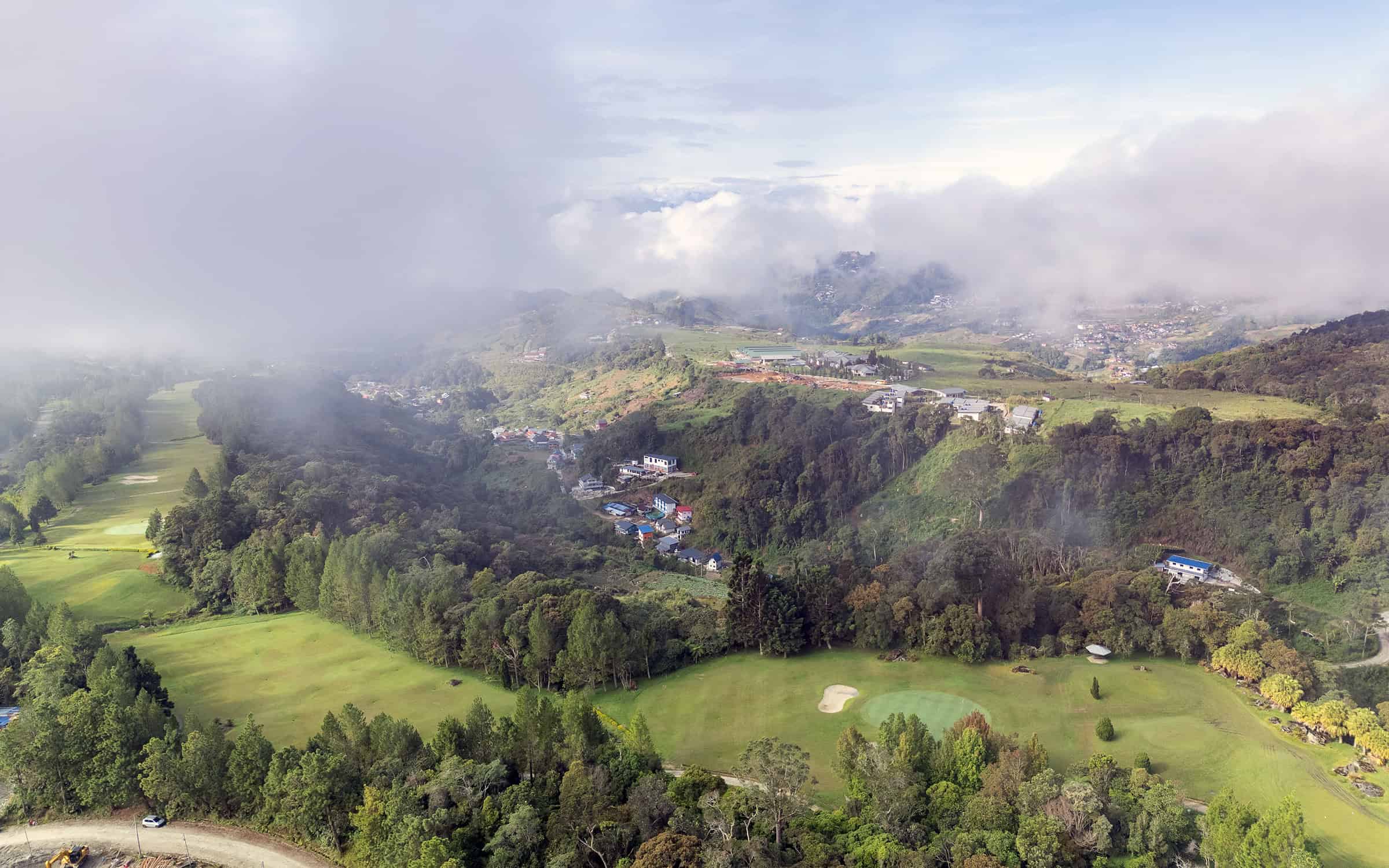
Why Southeast Asia offers some of the most rewarding travel experiences
Southeast Asia is often described quickly. A handful of phrases tend to do the rounds — tropical beaches, street food, temples, affordability. It’s introduced as though it were a single, easily understood idea. Somewhere vibrant, accessible, perhaps even familiar. And yet, that shorthand misses something important.
Travellers planning more considered holidays in Asia, often with the help of specialists such as Transindus, tend to approach the region differently. Not as a checklist of highlights, but as a collection of experiences that unfold gradually. Because Southeast Asia, for all its accessibility, has a way of revealing itself in layers. It’s not simply easy to travel through. It’s quietly rewarding — in ways that don’t always announce themselves immediately.
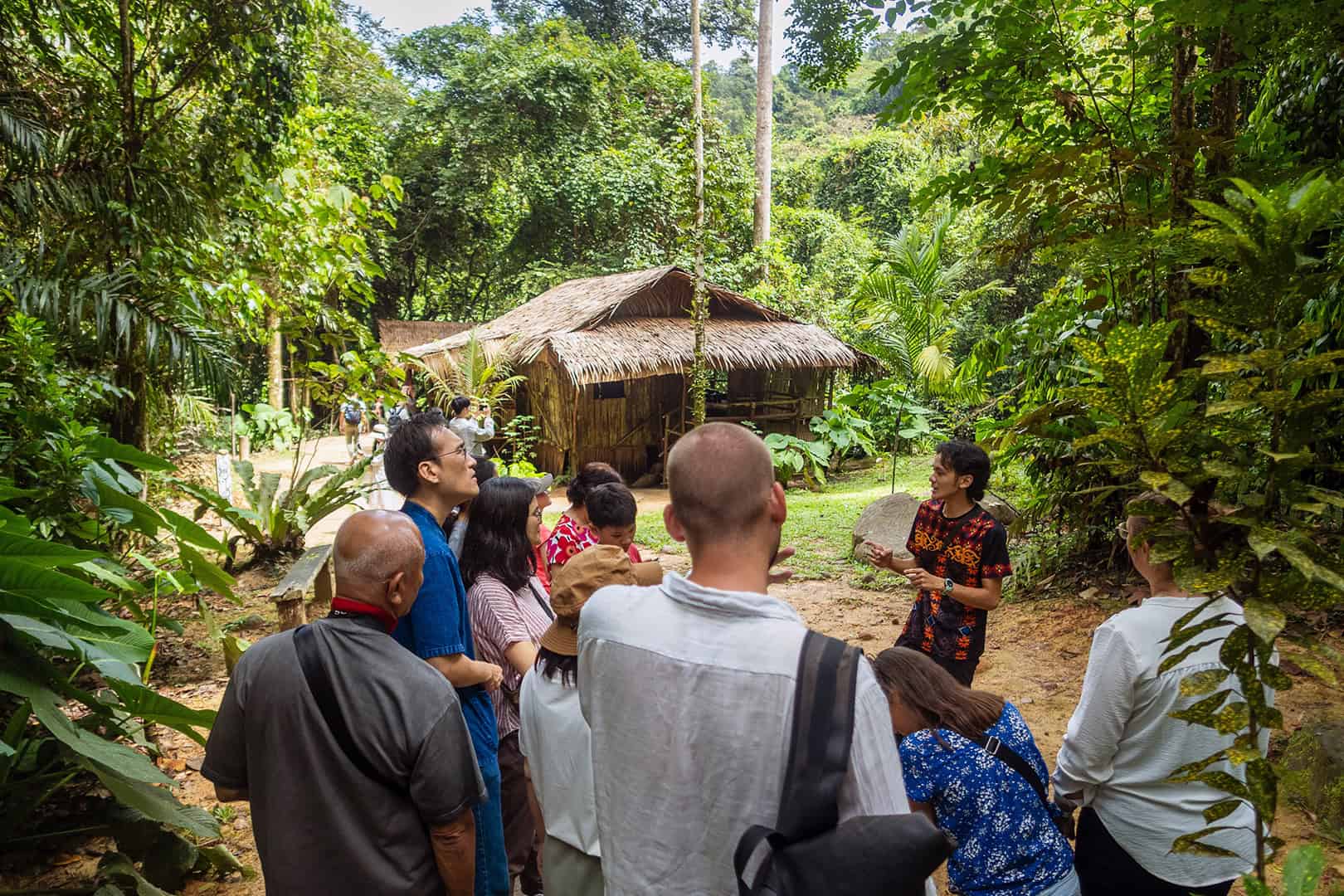
Variety without fragmentation
What makes Southeast Asia distinctive is not just its diversity, but how that diversity fits together. You can move from the rainforests of Malaysia to the terraced hills of northern Vietnam, then on to Cambodia’s slower, heritage-rich landscapes, without ever feeling like you’ve left the same broader rhythm behind. The scenery changes, certainly. So do the languages, the cuisines, the architecture.
But there’s a thread — something less tangible — that holds it together. Perhaps it’s the climate, or the cadence of daily life. Perhaps it’s the way markets gather in the morning, or how evenings tend to soften rather than rush. Whatever it is, transitions between countries feel more like variations than contrasts. This matters more than it sounds. In some parts of the world, crossing borders can feel like starting over. In Southeast Asia, it often feels like continuing — just in a slightly different tone.
Accessibility that doesn’t dilute experience
There’s a tendency to equate ease of travel with a loss of authenticity. Southeast Asia challenges that assumption. Yes, it is accessible. Flights between countries are frequent. Infrastructure is, in many places, well developed. English is widely spoken, particularly in travel contexts. Moving between destinations rarely feels complicated. And yet, that accessibility doesn’t seem to flatten the experience.
You can arrive somewhere easily and still feel as though you’ve stepped into a place with its own identity. A street in Penang doesn’t feel interchangeable with one in Hanoi. A coastal village in southern Thailand carries a different mood from one in Cambodia. Ease, here, doesn’t mean sameness. It simply removes friction. And without that friction, travellers often find they have more energy to notice the details.
Cultural depth that reveals itself gradually
Southeast Asia does not always present its depth immediately. There are obvious entry points — temples, monuments, historic sites — but much of the region’s character sits just beneath that surface. It appears in everyday moments rather than landmark attractions.
In Malaysia, for instance, cultural layers intersect in subtle ways. A mosque call to prayer overlaps with the sounds of a Chinese market. Colonial architecture sits alongside modern structures. Food becomes a meeting point of influences — Malay, Indian, Chinese — without needing explanation.
Elsewhere, in Vietnam or Cambodia, history is present but not always overtly signposted. It emerges through conversations, through the pace of life, through small details that don’t demand attention but reward it. This is not a region you fully grasp in a few days. It’s one you begin to understand slowly — sometimes without realising when that understanding started.
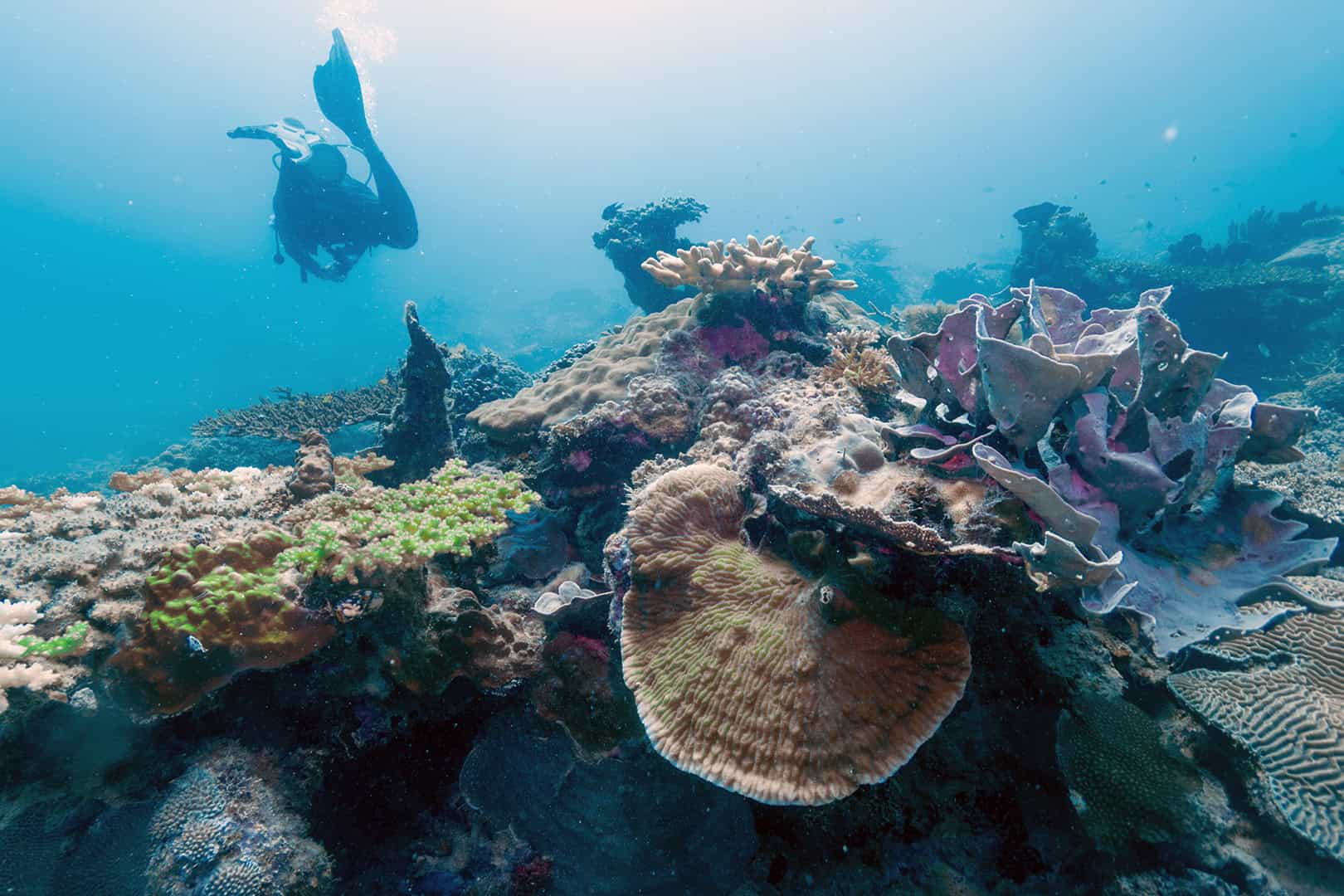
Nature that feels part of the whole
In many destinations, nature exists slightly apart from daily life. You travel to it, experience it, then return.
In Southeast Asia, particularly in places like Malaysia, that boundary feels less defined.
Rainforests edge close to towns. Rivers cut through both wild and inhabited spaces. Wildlife encounters — whether it’s a troop of monkeys near a roadside or a more deliberate excursion into Borneo’s ecosystems — feel connected to the broader environment rather than isolated from it.
There’s also a difference in how nature is experienced. Unlike open savannah landscapes, where visibility is immediate, Southeast Asia’s environments tend to be denser. You don’t always see everything at once. You listen, you wait, you notice movement before you identify it. This creates a different kind of engagement. It’s less about spectacle, perhaps, and more about attention.
The rhythm of travel
One of the more subtle strengths of Southeast Asia is its pace. Cities such as Bangkok or Ho Chi Minh City move quickly — traffic, energy, constant motion. And yet, not far beyond those centres, the tempo shifts. Rural areas slow things down. Coastal regions stretch time further still.
What’s interesting is how naturally this variation occurs. You might spend a few days navigating the intensity of a city, then find yourself somewhere quieter without needing to force the transition. The region seems to provide its own balance. For travellers, this creates space. There’s room to engage, then step back. To explore, then pause. The journey doesn’t feel like a constant push forward. It feels, at times, like it breathes.
Food as a way of understanding place
It’s easy to talk about food in Southeast Asia in broad terms — flavourful, varied, abundant. All of that is true, but it’s also a little incomplete. Food here does more than satisfy appetite. It reflects identity.
In Malaysia, dishes carry traces of multiple cultures, often within a single meal. In Vietnam, regional differences are pronounced — what you eat in the north feels distinct from the south. In Thailand, balance between sweet, sour, salty and spicy isn’t just culinary — it’s almost philosophical.
Markets, too, play a role. They aren’t simply places to buy food; they’re social spaces, gathering points, reflections of daily life. Eating becomes less about seeking out “the best dish” and more about observing how people interact with food. And in doing so, you begin to understand something of the place itself.
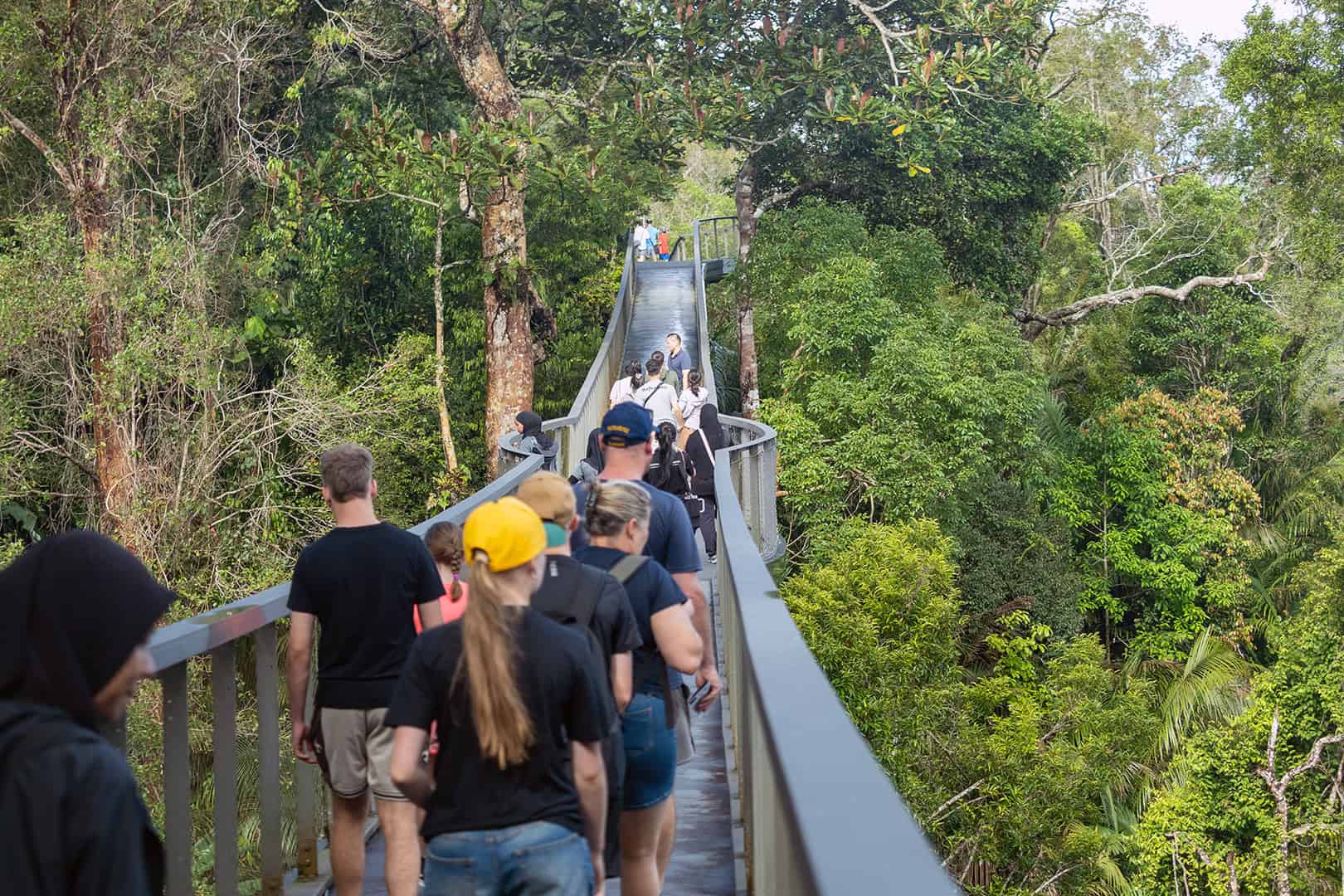
A region that welcomes different kinds of travellers
Southeast Asia holds an interesting duality. For first-time travellers, it offers an accessible entry point into Asia. It’s manageable, varied, and rarely overwhelming in the way some larger destinations can be. At the same time, it continues to appeal to those who have travelled widely. The surface may feel familiar, but beneath it lies depth — enough to sustain multiple visits.
This creates a certain flexibility. You can arrive with little experience and feel comfortable. You can return with more context and discover entirely new layers. The region adapts to the traveller, rather than the other way around.
The value of thoughtful planning
For all its accessibility, Southeast Asia still benefits from careful planning. Distances, while manageable, can add up. Combining too many countries too quickly can dilute the experience. Transitions, if not considered, can feel rushed. This is where a more measured approach becomes valuable.
Sequencing destinations thoughtfully — allowing time in each place rather than moving constantly — often changes the quality of a trip. It gives experiences room to settle. It allows contrasts to emerge naturally. It’s less about seeing more, and more about seeing clearly. And while the region accommodates spontaneity, it rewards intention.
Why travellers tend to return
It’s not uncommon for a first trip to Southeast Asia to feel slightly incomplete. Not in a negative sense, but in the way that it opens more doors than it closes. You leave with a sense that you’ve only touched part of what’s there. Perhaps it’s a place you passed through too quickly. A conversation that lingered. A landscape that felt worth more time.
On returning, the experience often shifts. Travellers move more slowly. They choose fewer destinations. They notice more. The region begins to feel less like a series of highlights and more like something cohesive. And that shift — from surface to depth — is often where the real reward lies.
A region that gives more than expected
Southeast Asia doesn’t always present itself as extraordinary at first glance.It doesn’t rely on a single defining image or moment. Instead, it builds gradually — through variation, through detail, through the accumulation of small impressions.
What begins as a straightforward journey often becomes something more layered. A place remembered not just for what was seen, but for how it felt to move through it. And perhaps that’s why it continues to draw people back. Not because it demands attention, but because it rewards it — quietly, and often more generously than expected.
Keep Exploring Malaysia
-
 Staying Connected in Malaysia in 2026
-
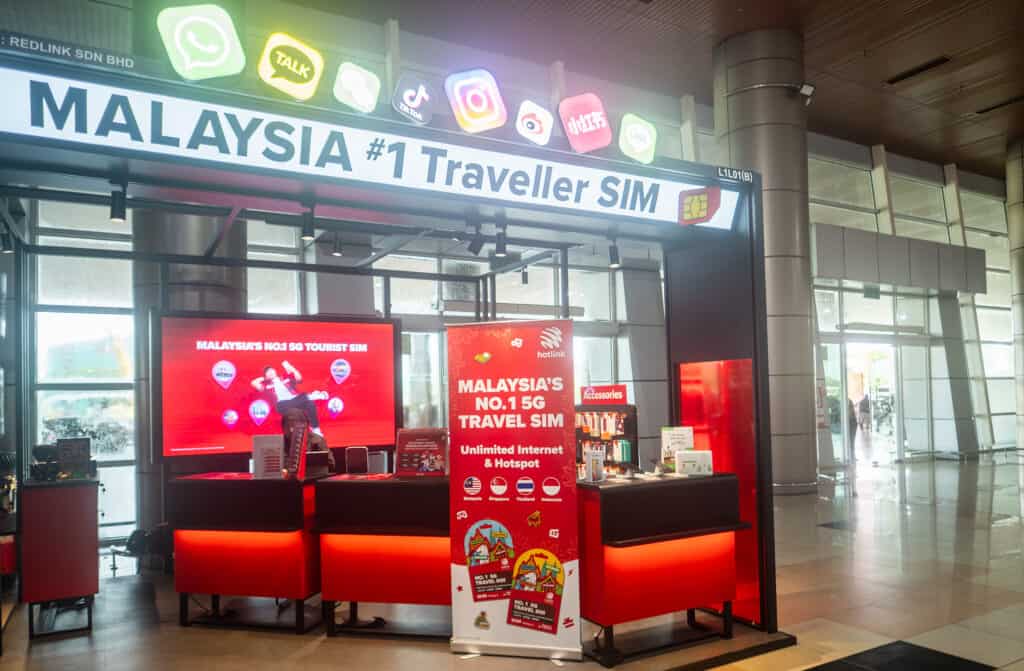 Staying Online in Malaysia: The Traveler’s Guide to Mobile Data
-
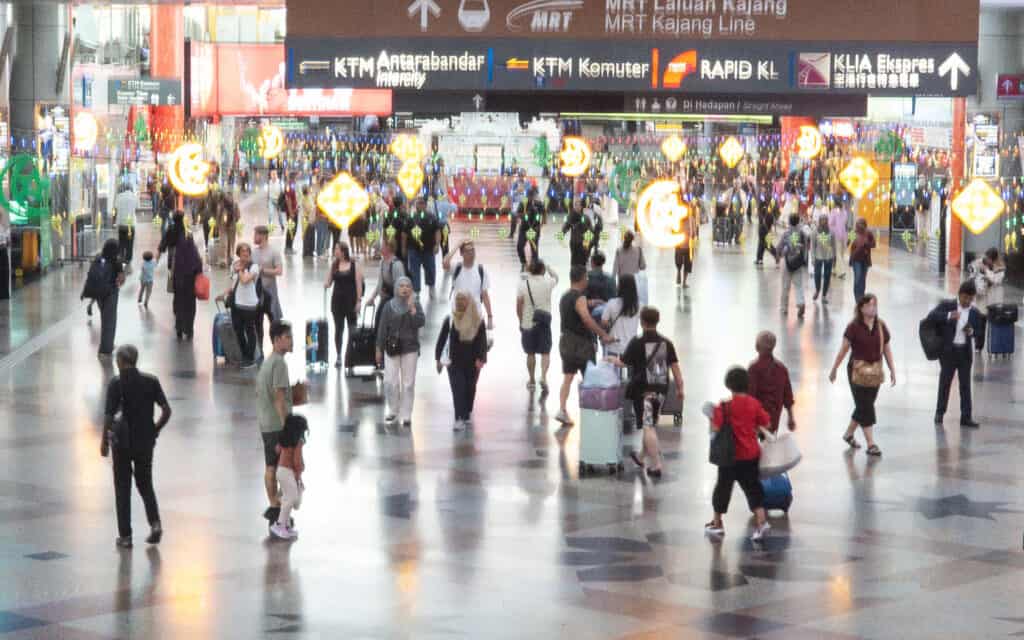 Seamless Journeys: The Ultimate Guide to Modern Transit and Portable Entertainment in Malaysia
-
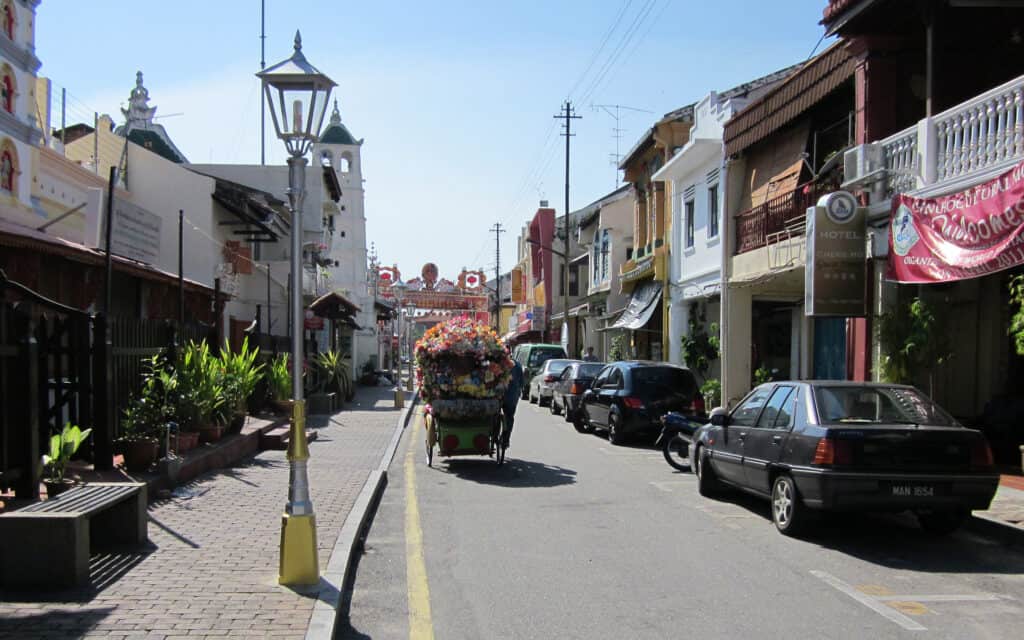 Prevent the Exhausting How to Have a Pleasant Trip in Malacca
-
 How to Compare Room Rentals for Best Value
-
 Can Foreign Tourists Engage in Gambling Activities in Malaysia?
Eric Adams 01/07/2026
This post really highlights why Southeast Asia is such a powerful travel destination, offering a mix of culture, nature, and unforgettable local experiences. Every country in the region feels distinct, yet equally welcoming, which makes the journey even more meaningful. On a different note reviewing systems like https://alamedacountycourt.org can also be useful when exploring how information is structured in other contexts. Overall, it’s a great reminder that both travel and knowledge-seeking can open up completely new ways of seeing the world.
Ashley Martinez 01/07/2026
Such a well written post highlighting why Southeast Asia is such an unforgettable destination for travelers. I recently came across https://buncombecountypropertyappraiser.org while researching something unrelated and it reminded me how valuable reliable local resources can be. The mix of culture, nature, and affordability you mentioned makes the region even more appealing. Thanks for sharing these helpful travel insights.
Emily Johnson 30/06/2026
Southeast Asia truly has a unique charm, from its rich culture to its amazing food and welcoming people. I enjoy reading about different destinations and I also browse resources like https://sanduskycountycourts.org whenever I need reliable public information. Every trip in this region seems to offer something memorable whether it’s nature, history, or local traditions. Thanks for sharing such an inspiring perspective on travel!