


Why Malaysia is one of the most underrated destinations for wildlife holidays
There’s a pattern to how people talk about wildlife travel. Mention the idea of a wildlife holiday, and the same destinations tend to surface almost immediately. East Africa, for its vast plains and iconic species. Perhaps the Amazon, for its scale and mystery. Occasionally somewhere more remote, for those looking to go further still. Malaysia, somehow, sits just outside that first wave of conversation.
It isn’t that travellers doubt what’s there. It’s more that it isn’t framed in quite the same way. Specialists such as Sundowner Holidays, who design carefully considered wildlife holidays, tend to approach things differently — not by asking where the most famous sightings happen, but where the most meaningful experiences can unfold. And when you look at Malaysia through that lens, it begins to feel less like an alternative… and more like something quietly compelling.
Because the truth is, Malaysia doesn’t lack wildlife. If anything, it offers more complexity than most people expect. It’s simply that the experience asks something slightly different in return.
The misconception: what we see versus what’s there
Part of the reason Malaysia is overlooked comes down to visibility. In places like the Serengeti or the Maasai Mara, wildlife often reveals itself openly. Landscapes stretch wide. Animals move across plains in ways that feel almost cinematic. Sightings are, relatively speaking, straightforward.
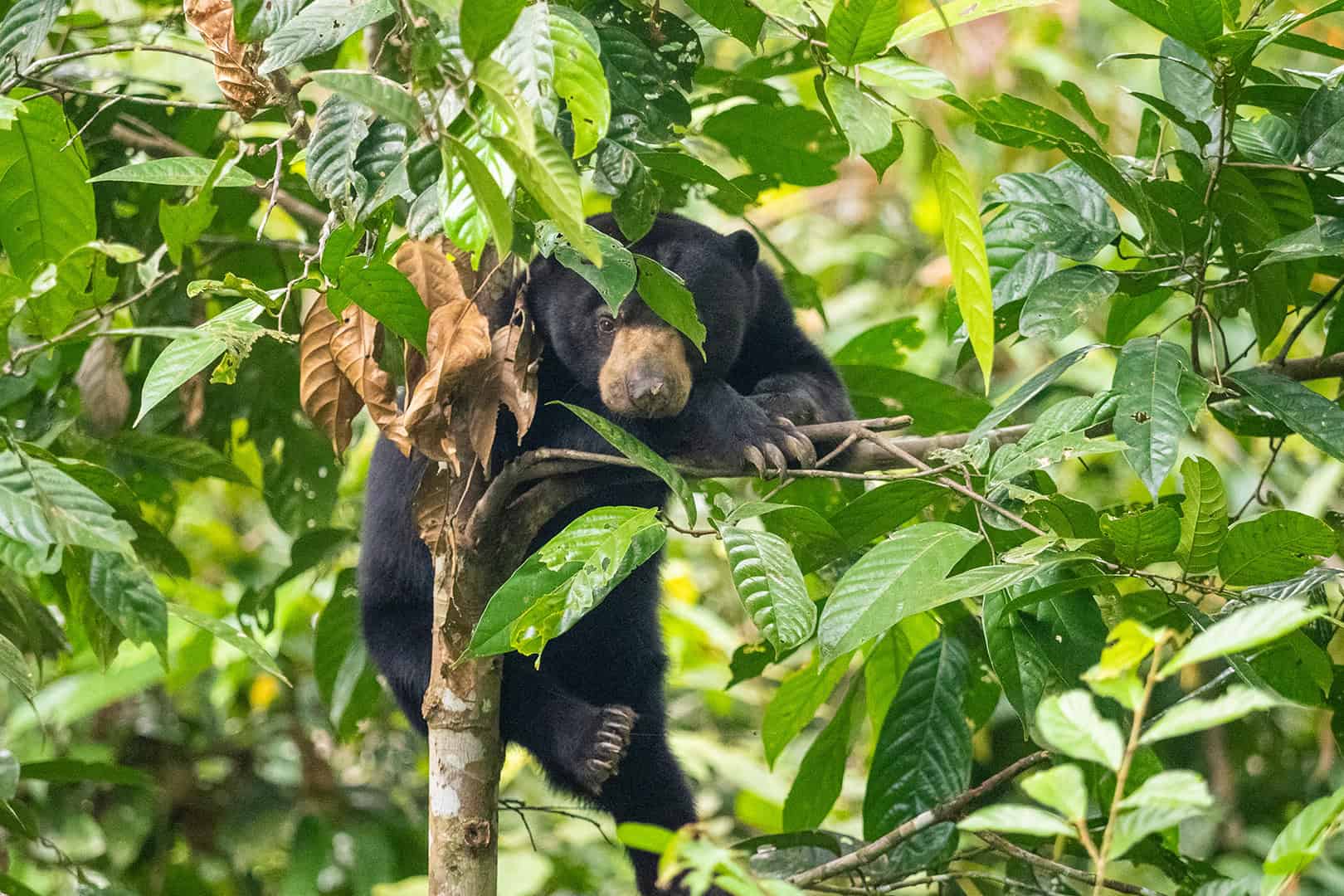
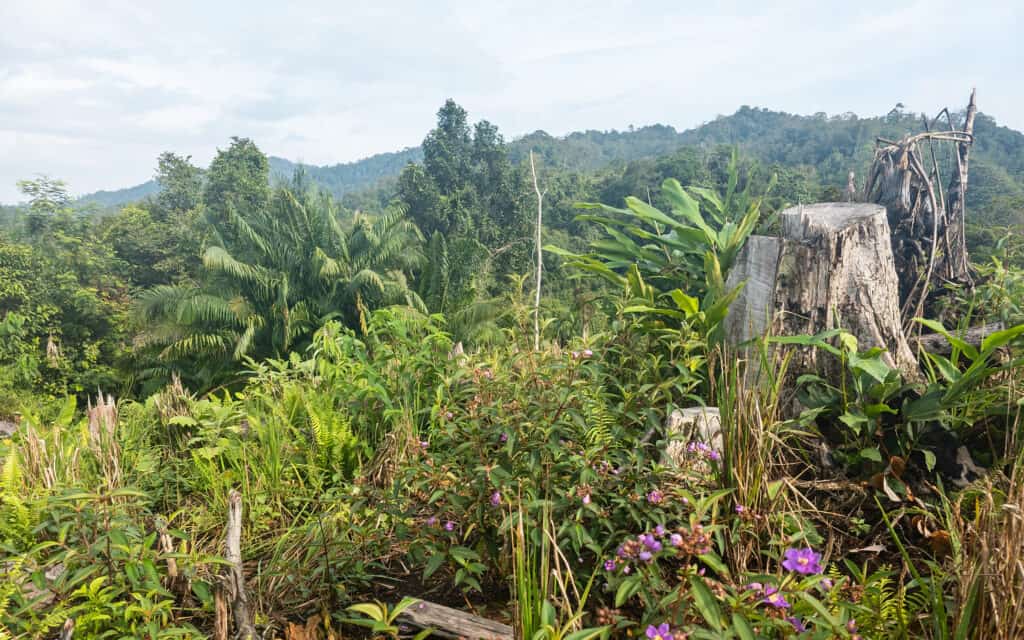
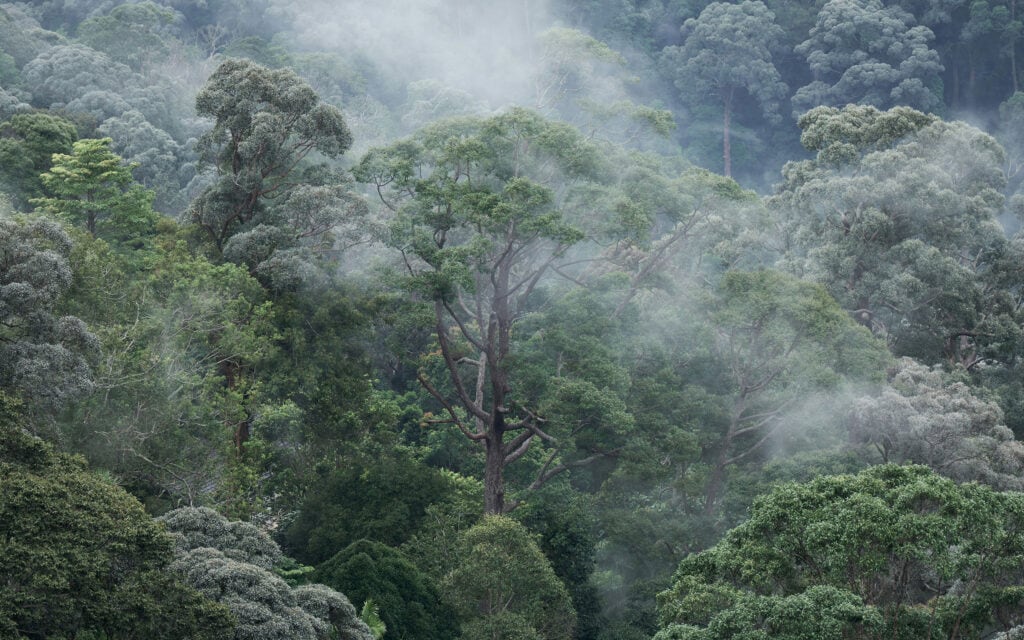
Rainforest environments operate differently. Here, life is layered. Canopies filter light. Sounds travel further than sightlines. Animals move through dense vegetation, often unseen unless you know how — and where — to look. The experience becomes less about scanning a horizon and more about tuning in. It’s easy to mistake this difference for a lack of wildlife. But it isn’t. It’s simply a shift in how that wildlife is encountered. And perhaps, in some ways, how it’s remembered.
Biodiversity that speaks quietly, but widely
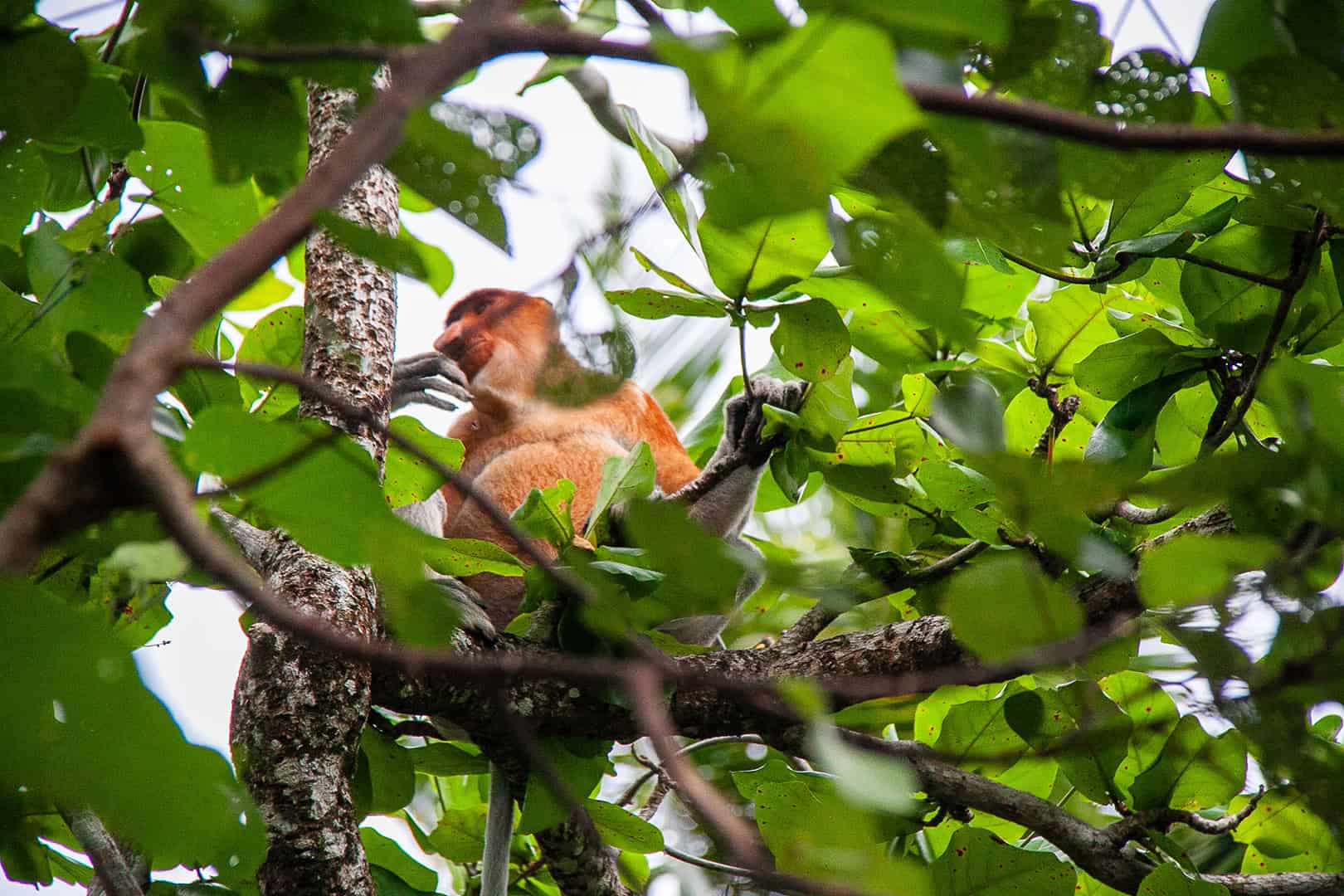
Malaysia’s biodiversity is not immediately obvious in the way a herd of elephants might be. It unfolds gradually. In Borneo, orangutans move slowly through the trees, almost contemplative in their movement. Proboscis monkeys gather along riverbanks at dusk, their silhouettes unmistakable once you know what to look for. Pygmy elephants pass quietly through forest corridors, smaller than their African counterparts, but no less compelling.
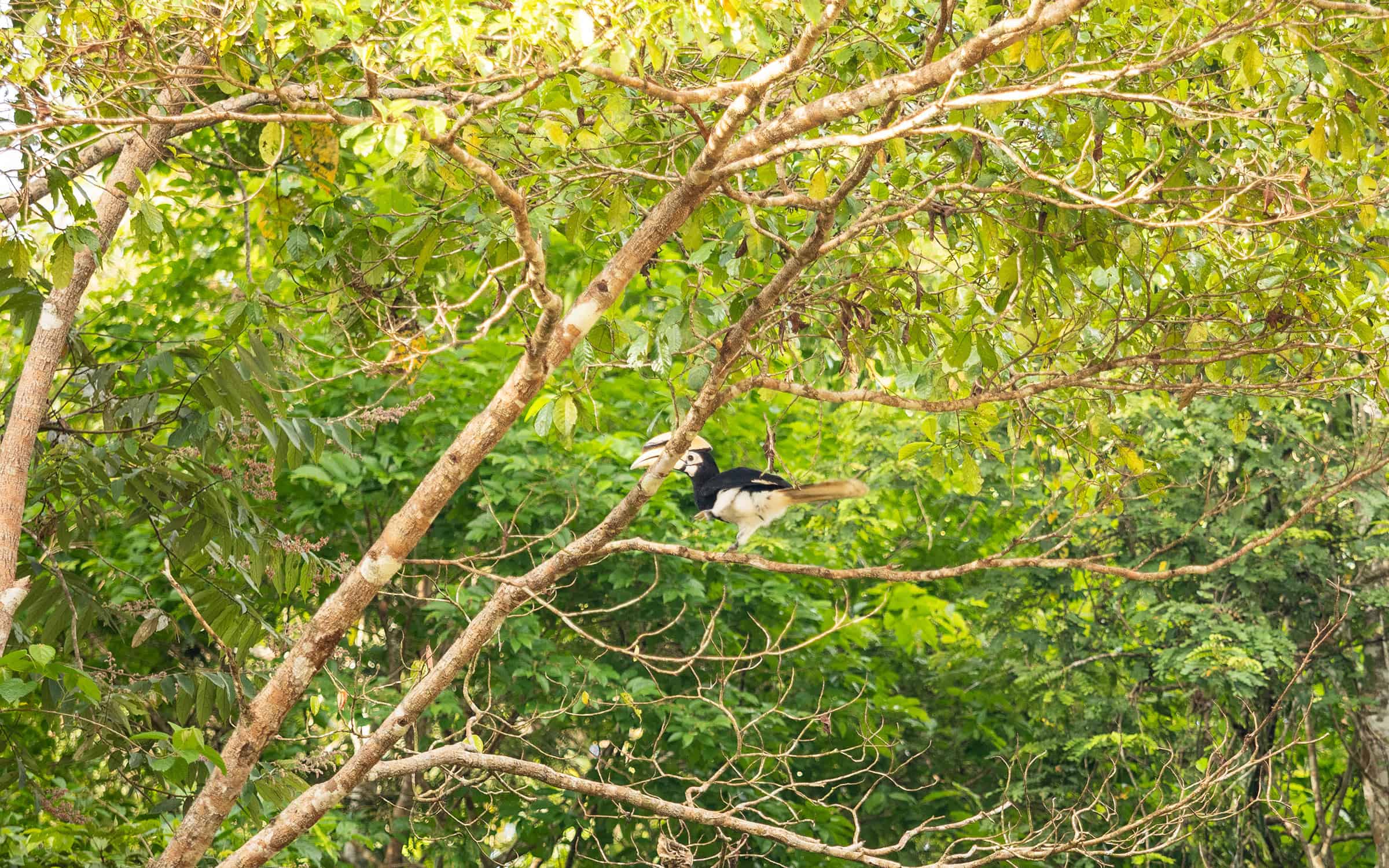
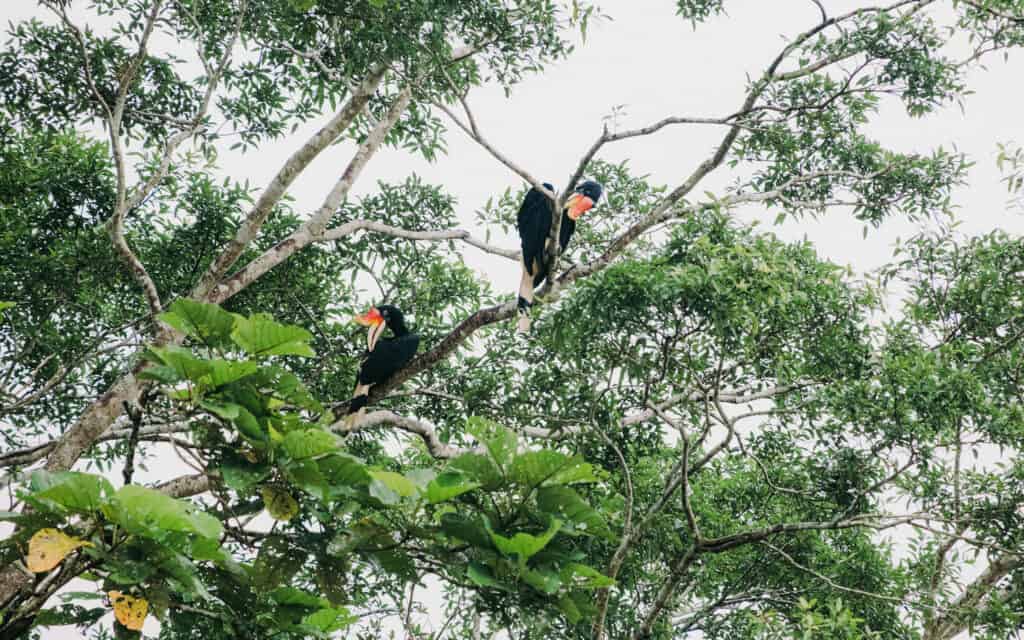
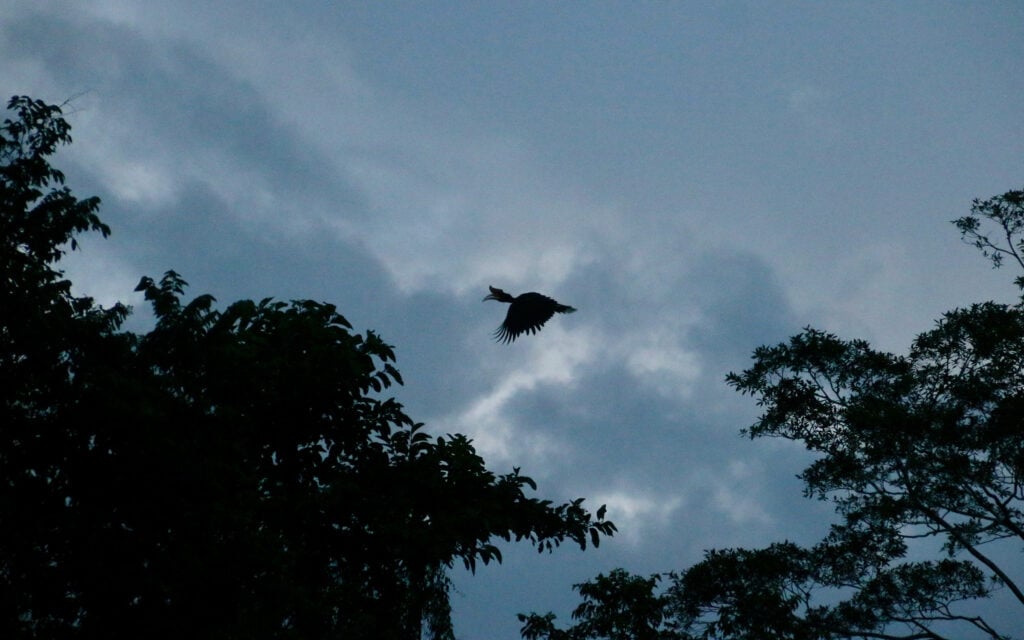
Birdlife alone could sustain an entire journey. Hornbills cutting across the sky. Kingfishers tracing river edges. Calls and colours that become familiar only after a few days of attention. And then there’s the marine world. Around islands such as Sipadan, coral reefs hold an entirely different kind of spectacle — turtles, reef sharks, dense schools of fish moving as one. What becomes clear, slowly, is that Malaysia doesn’t offer a single defining wildlife moment. It offers layers. And those layers accumulate.
Immersion over spectacle
There is a difference between watching wildlife and being immersed in it. In Malaysia, much of the experience unfolds at close quarters — not necessarily physically, but atmospherically. Early mornings on a river, the air still heavy with mist. Forest walks where the guide pauses, not because something is immediately visible, but because something might be.
You begin to notice patterns. The rustle of movement before the animal itself appears. The shift in bird calls. The way light filters differently at certain times of day. It’s not always dramatic. In fact, it often isn’t. But that’s part of the point. The experience asks for patience. And in return, it offers something more textured than a sequence of sightings.
Accessibility without losing authenticity
There’s a quiet assumption that places rich in wildlife must also be difficult to reach or navigate. Malaysia challenges that. International connections are strong. Infrastructure, particularly in key regions, is well developed. English is widely spoken, which reduces friction for travellers moving between locations. At the same time, it doesn’t feel overly polished. Lodges in rainforest areas retain a sense of place. River journeys feel connected to local life rather than staged for visitors.
This balance — accessibility without over-simplification — makes Malaysia an interesting proposition. It’s approachable, but not diluted. And for many travellers, that combination is reassuring.
Conservation woven into the experience
Wildlife in Malaysia exists within a broader ecological and social context. Rainforests here are not just backdrops; they are living systems under pressure. Conservation efforts, particularly in parts of Borneo, play an active role in protecting habitats and species. Responsible tourism contributes to that process, sometimes directly.
Visitors don’t always see this immediately. It’s not always presented overtly. But it’s there, shaping how experiences are designed and delivered. There’s something grounding about that. The understanding that what you’re witnessing is part of an ongoing effort, not a static display. It adds weight to the experience, without needing to be emphasised.
A different rhythm of travel
Perhaps the most noticeable difference in Malaysia is the pace. Days don’t necessarily revolve around ticking off sightings. There may be long stretches where nothing obvious happens. A river remains still. A trail yields only sounds. And then, without warning, something shifts. Movement in the trees. A group of monkeys crossing a branch. A fleeting glimpse that, for a moment, feels entirely yours. This rhythm can take adjustment.
For travellers used to more predictable wildlife encounters, it may feel uncertain at first. But over time, it becomes part of the appeal. You begin to value the waiting as much as the moment itself. And when those moments arrive, they tend to stay with you.
Who this kind of experience suits
Malaysia doesn’t try to be everything to everyone. It tends to resonate most with travellers who are comfortable with a degree of unpredictability. Those who don’t mind if every day doesn’t deliver a headline sighting. Those who are curious enough to look beyond the obvious.
Repeat safari travellers often find it refreshing. It offers contrast — a different way of engaging with wildlife. But first-time visitors can find it equally compelling, provided expectations are set gently. It’s not about seeing less. It’s about seeing differently. And for many, that difference becomes the defining memory.
Not better — just different
It’s important not to frame this as a comparison where one destination wins. Africa offers scale, visibility, and a kind of immediacy that is hard to replicate. There is a reason it remains iconic. Malaysia offers something else. Density. Complexity. A sense of discovery that builds slowly rather than arriving all at once. Both are valuable. Both are memorable. They simply ask for different kinds of attention. And perhaps the mistake is assuming that wildlife travel should follow a single template at all.
The quiet advantage of being overlooked
There is, arguably, a benefit to Malaysia not being at the centre of the wildlife travel conversation. Expectations arrive lower. Crowds, in many areas, are lighter. Experiences feel less structured, less anticipated.
There is space — physically and mentally — to engage without pressure. Moments feel less like performances and more like encounters. And that subtle shift can change how a journey feels, even long after it ends.
Rethinking what a wildlife holiday can be
Wildlife travel doesn’t have to be defined by visibility alone. It can be about attention. About learning how to read an environment. About noticing what isn’t immediately obvious. Malaysia expands that definition quietly.
It doesn’t compete for attention in the same way as more established safari destinations. It doesn’t need to. Its strength lies in offering something that unfolds gradually — and stays with you in ways that are harder to summarise.
Perhaps the most rewarding wildlife holidays aren’t always the ones where everything is seen clearly. Sometimes, they’re the ones that invite you to look a little closer — and stay a little longer.
Keep Exploring Malaysia
-
 Deep in the Jungle of Sarawak
-
 The Must-Visit Places in Malaysia
-
 Why Southeast Asia offers some of the most rewarding travel experiences
-
 Sabah Upgrades Its Trails: A New Wave of Ecotourism on Borneo in 2025-2026
-
 Why Malaysian Borneo remains one of Southeast Asia’s last true wildlife frontiers
-
 Wildlife experiences you can only have in Malaysian Borneo
john 06/07/2026
Malaysia really deserves more attention for its incredible wildlife and natural beauty. I recently came across Nevada Court Documents while looking into public legal resources, and it reminded me how valuable well-organized information can be in any field. Your post does a great job of highlighting experiences that many travelers overlook. Thanks for sharing such an inspiring perspective on nature and adventure!