



Sabah Upgrades Its Trails: A New Wave of Ecotourism on Borneo in 2025-2026
If your idea of training is still sprinting for the boarding gate, Sabah is gently raising the difficulty level. On the northern tip of Borneo, the state is using 2025-2026 to turn hiking trails, river corridors and village paths into the backbone of a new ecotourism game plan. Malaysia’s nationwide build-up to Visit Malaysia 2026 puts nature and culture in the starting line-up, and Sabah clearly wants to be the star winger, not just a solid squad player.
Tourist numbers show why confidence is high. Between January and August 2025, Sabah welcomed more than 2.4 million visitors, a strong rebound that has put the state close to pre-pandemic levels. At the same time, Sabah has been crowned “Malaysia’s Favourite Destination” for the 57th MATTA Fair in Kuala Lumpur, reflecting its mix of scenery, culture and eco-friendly reputation. To keep that momentum going into 2026, federal and state authorities are pumping money into nature-focused projects – from trailheads near Mount Kinabalu to wildlife walkways in Sandakan. Think of it as a big mid-season facilities upgrade, but for hikers and birdwatchers instead of footballers.
From Sandakan Boardwalks to Kinabalu Trailheads
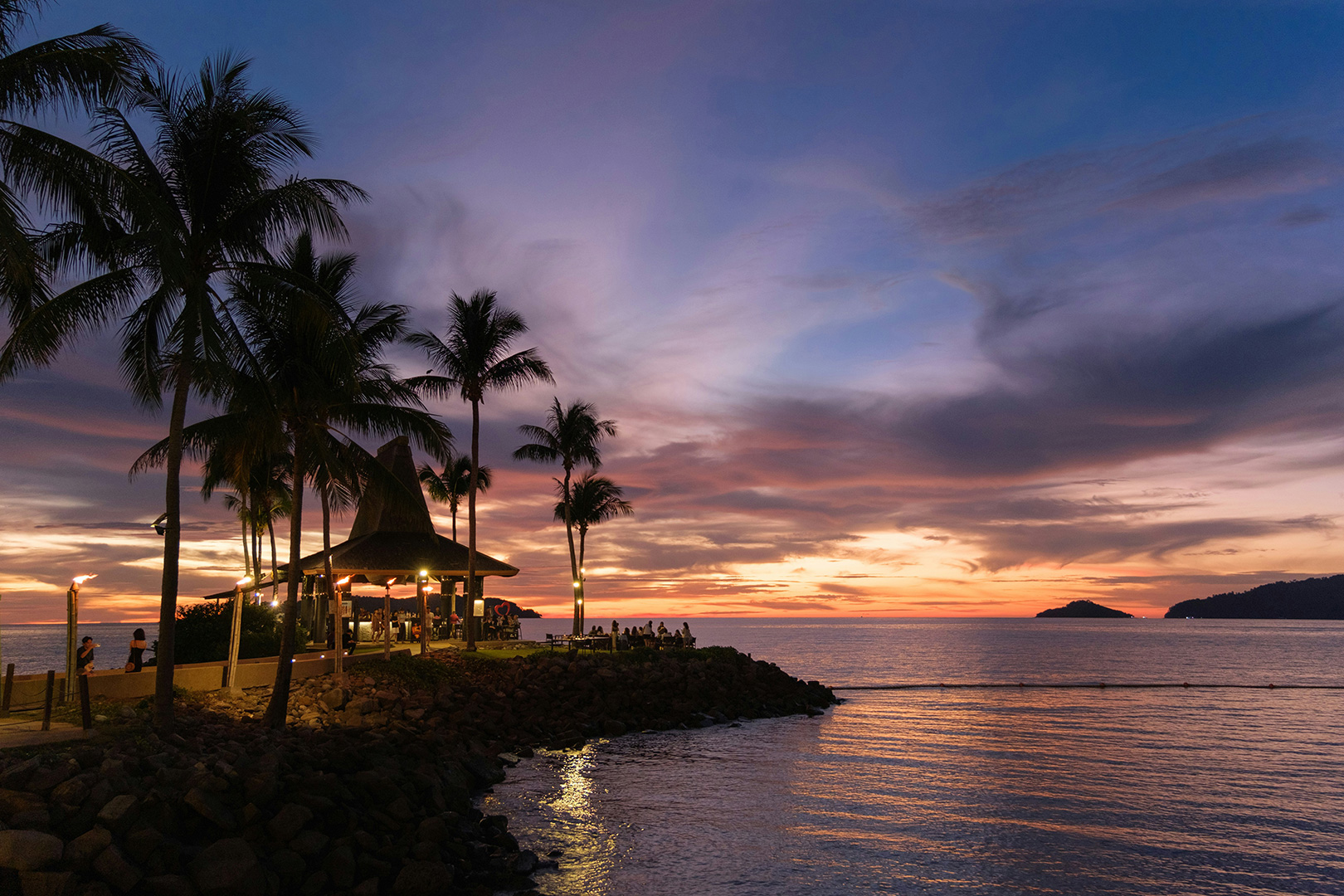
Some of the clearest changes are happening around Sandakan on Sabah’s east coast. In May 2025, four key attractions – the Sepilok Orang Utan Rehabilitation Centre, the Bornean Sun Bear Conservation Centre, Agnes Keith House and the upcoming Martin & Osa Johnson Gallery – received a RM1.25 million allocation for upgrades to paths, facilities and interpretation. The goal is simple: smoother visitor flow, better information and a more coherent story about why orangutans, sun bears and colonial-era history all matter to Borneo’s conservation future. Nobody can guarantee the apes will time their tree-crossings for your camera, but at least the human side of the set-up is getting match-fit.
Up in the highlands, the federal government has approved 77 tourism development and maintenance projects in Sabah worth over RM72 million under the 12th Malaysia Plan. One of them is the Tourism Facilities Improvement Project in the Layang-Layang area of Mount Kinabalu, aimed at strengthening infrastructure around one of Malaysia’s most iconic treks. With Kinabalu also recognised through the Kinabalu UNESCO Global Geopark designation, the focus is on balancing access with protection so the mountain doesn’t feel like an overcrowded stadium on derby day.
Crocker Range and the “Trail Upgrade” Era
Beyond Kinabalu, the Crocker Range is becoming Sabah’s experimental training ground for serious walkers. The historic Salt Trail, once a vital trading route linking villages over the mountains, now stretches about 34 km from Inobong through Terian, Buayan and Kionop to Tikolod. Treks are typically organised over three or four days with local guides and village homestays. You still earn every step – steep descents, river crossings and the occasional leech are part of the package – but clearer routing and better logistics mean hikers can focus more on the forest and less on arguing with their GPS like a frustrated coach on the touchline.
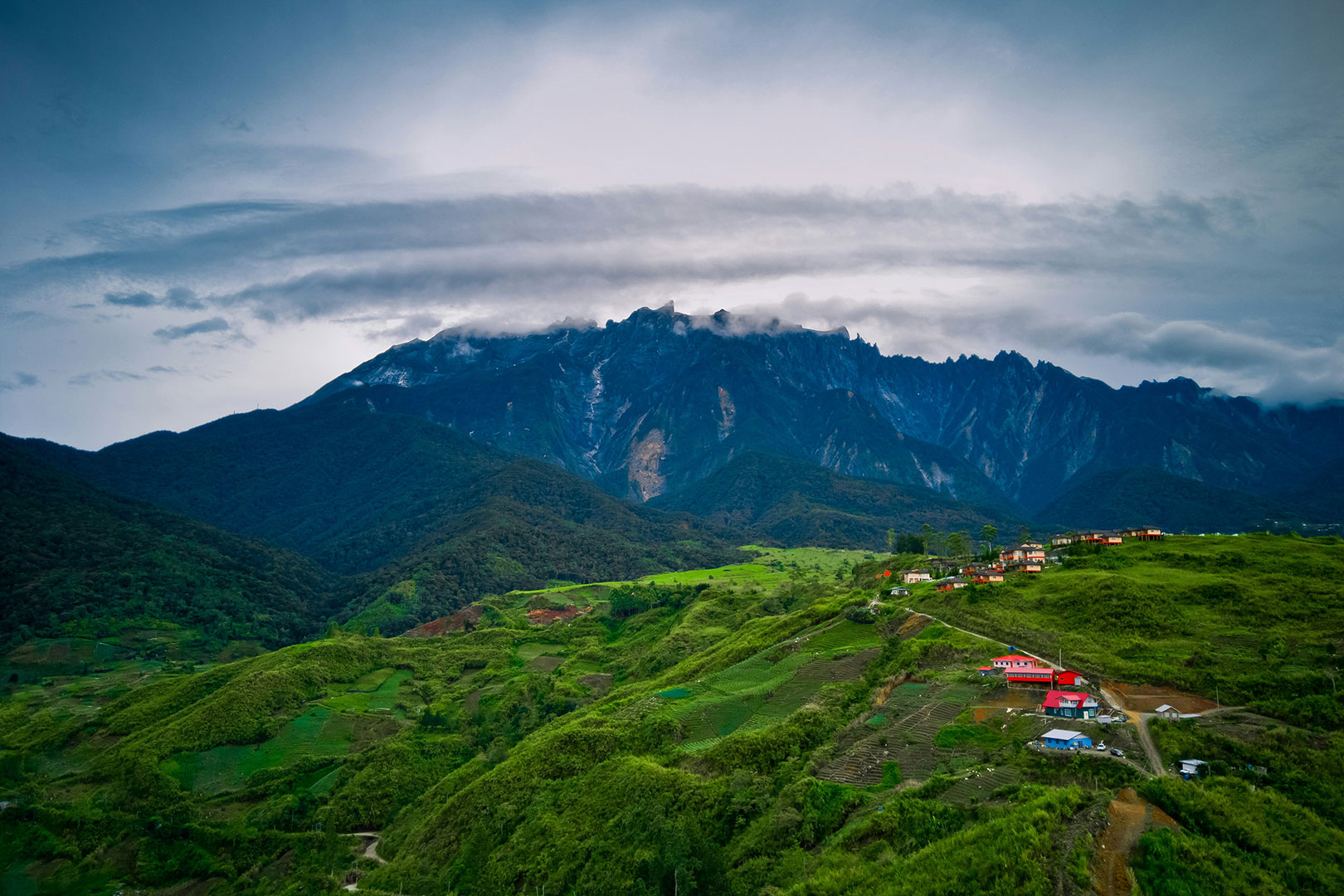
For those short on days but happy to test their legs, the 2D1N Gunung Alab-Minduk Sirung hike has quietly become a fan favourite. Starting from Gunung Alab sub-station, the trail climbs through montane forest to Minduk Sirung, a peak of around 2,050 metres that offers broad views across the Crocker Range before descending towards Mahua Waterfall.
Local operators now package the route with transport, meals and guiding, turning what used to be an insider’s mission into something weekend warriors can realistically tackle. Your quadriceps may complain the next morning, but your camera roll will think it’s won the league.
Villages on the Map: Community-Based Adventures
Another big shift is where the tourism “winnings” land. Community-based tourism projects are moving from theory to reality, with Kiulu Farmstay in the Kiulu Valley among the best-known examples. Developed as a community-based ecotourism project, Kiulu Farmstay connects villages offering homestays, farmstays and activities such as river tubing, quad biking, hiking, rafting and countryside walks along the Kiulu River. Guests stay in local houses or eco-lodges, eat home-cooked food and see first-hand how sustainable farming and tourism can work together – less like a one-sided sponsorship deal, more like a well-balanced team where the village actually gets to keep some of the prize money.
On the coast, the Sabah Mangrove Action Plan 2024-2033 provides a decade-long framework for protecting and restoring mangrove forests, while involving communities and agencies in long-term climate resilience and coastal management. While the plan itself is about conservation rather than ticket sales, it provides a framework for carefully designed eco-education visits and low-impact boardwalks to fit without turning sensitive areas into overcrowded sidelines.
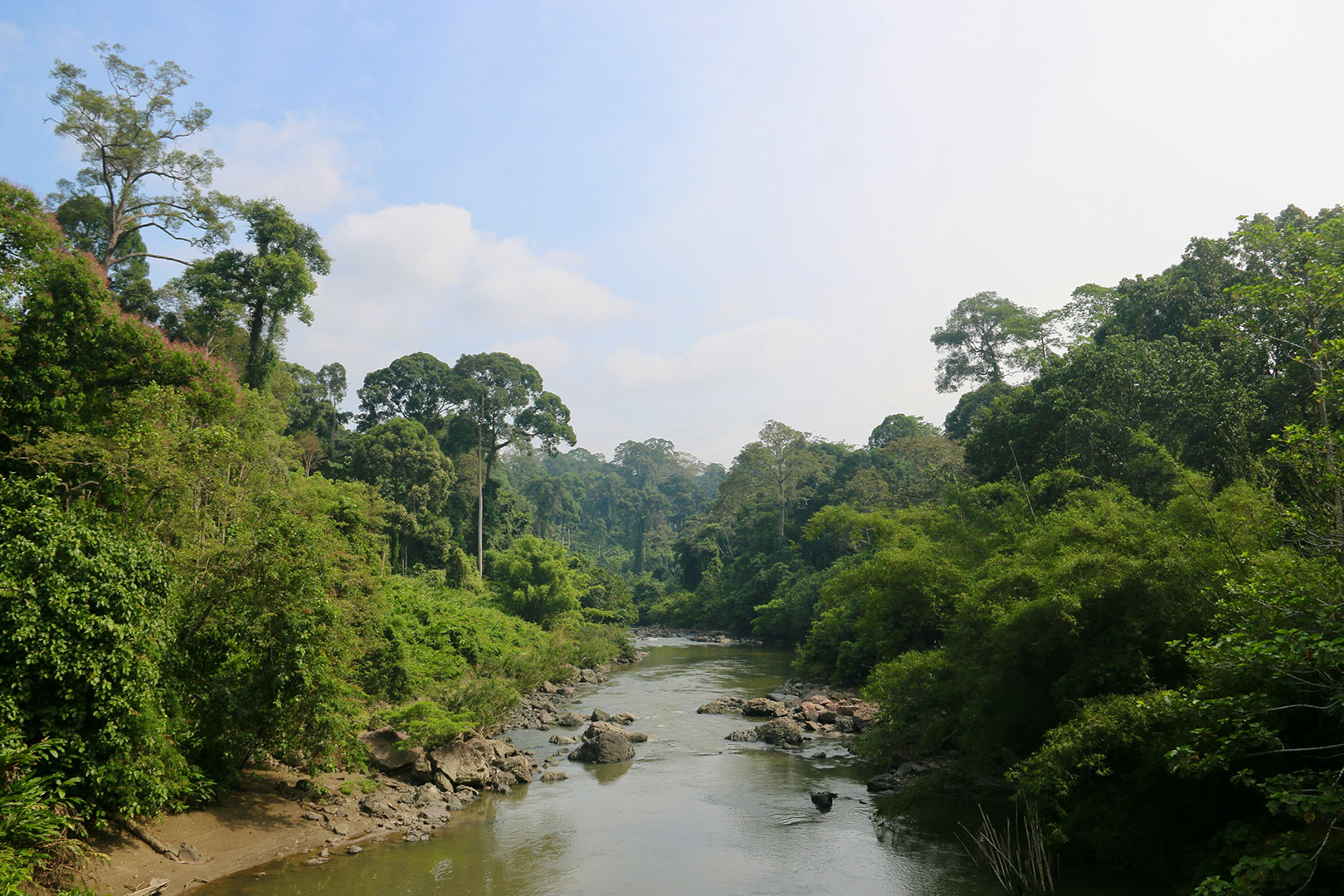
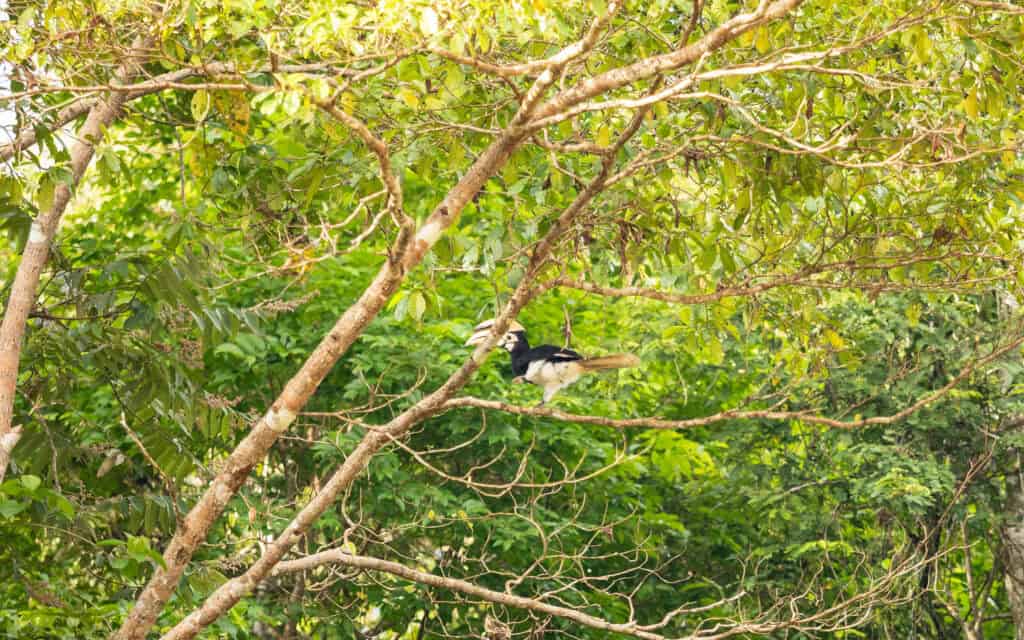
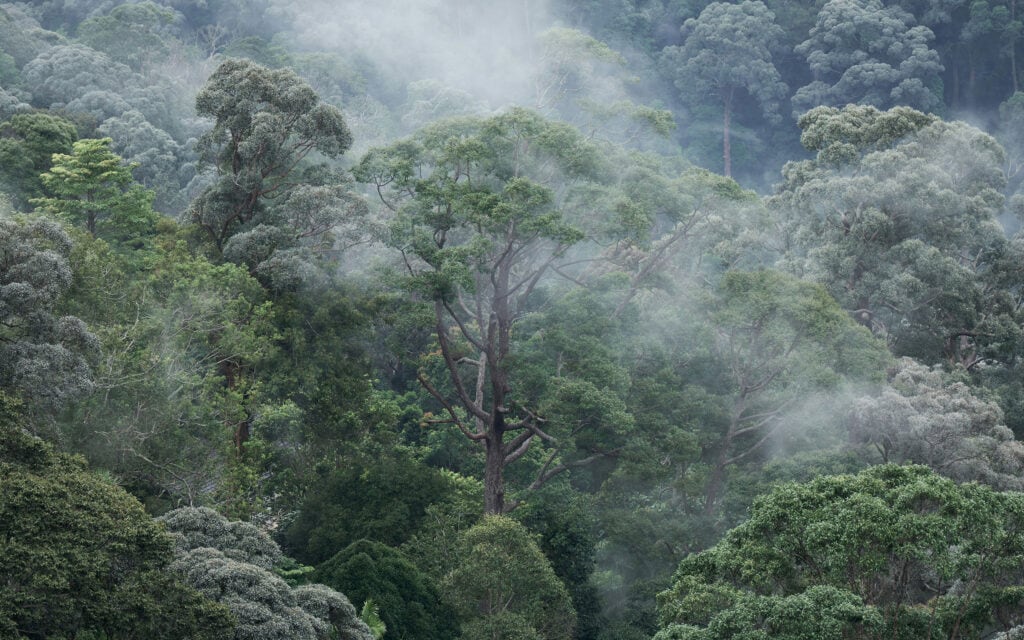
Combine all of that with high-end but low-density lodges such as Borneo Rainforest Lodge in Danum Valley – an award-winning eco-retreat set within 43,800 hectares of protected lowland rainforest – and you get a destination that is serious about both comfort and conservation. Think luxury away game: hot shower, great food, but the home crowd is gibbons, hornbills and maybe a very distant orangutan.
Between Hikes: Downtime, Scoreboards and Fun
Even the keenest eco-traveller has rest days. Trails end, batteries charge, and suddenly everyone is back in Wi-Fi range comparing leech counts and sunset shots. Some visitors pore over maps for the next trek, some re-watch slow-motion hornbill fly-bys, and some fill ten spare minutes with quick digital mini-games.
That’s where thimbles sometimes sneaks into the conversation – an instant “shell game” where you track a hidden ball under three cups, originally developed by Evoplay and offered on various real-money platforms. On the Bangladesh-facing version of the international Melbet platform, the Thimbles game sits alongside sports betting, slots and other fast games. Melbet is operated by Pelican Entertainment B.V. under a Curaçao online-gaming licence, and review sites describe the brand as a full-service bookmaker and casino with 24/7 access, multi-currency payments and a wide range of sports markets.
For a slice of the travelling crowd who already use such platforms at home, a short session of thimbles in the evening offers the same “will it drop your way?” tension as waiting to see whether the clouds will clear for a view of Kinabalu’s summit. The golden rule is the same as in sport: play within your limits, remember it’s strictly for adults, and treat it like a bit of extra-time entertainment, not the main event. The real scoreboard on a Borneo trip is still measured in memories, not multipliers.
What This Means for Travellers in 2025-2026
Put all of this together and Sabah’s trail-upgrade story is about more than new signboards and fresh social-media angles. Investment in Sandakan’s wildlife hubs, Kinabalu’s access points and Crocker Range trekking routes is tightening the whole eco-tourism network that links Kinabalu Park with places like Danum Valley, Maliau Basin and Tabin Wildlife Reserve, encouraging longer stays and more varied itineraries.
At the same time, the Explore Sabah campaign bundles more than 400 curated experiences – from island-hopping in Semporna to river safaris in Kinabatangan and community stays in the highlands – into bookable products ahead of Visit Malaysia 2026. For readers discovering this via Wonderful Malaysia, think of it as your scouting report before you lace up your hiking boots: the fixtures are set, the venues are getting upgrades, and the home fans are ready.
The playbook for visitors is straightforward. Arrive with decent shoes, realistic fitness expectations and a healthy respect for trail rules; support community-run projects where you can; and keep your footprint light whether you are on a ridge in the Crocker Range or scrolling on your phone back at the lodge. Sabah is busy polishing its home ground for the next ecotourism season – all you have to do is show up ready to play your part.
Keep Exploring Malaysia
-
 Deep in the Jungle of Sarawak
-
 The Must-Visit Places in Malaysia
-
 Why Malaysia is one of the most underrated destinations for wildlife holidays
-
 Why Malaysian Borneo remains one of Southeast Asia’s last true wildlife frontiers
-
 Wildlife experiences you can only have in Malaysian Borneo
-
 Global Meet 2025: Travel inspiration and a glimpse toward Visit Malaysia 2026
Stay Updated on Malaysia