


Best Trekking Destinations in Asia for All Fitness Levels
While it may seem that only professional athletes can hike the highest peaks of the world, it’s not quite accurate. Most people think of frostbitten trekkers and assume that Asian trekking requires peak physical condition, hence, ignore such adventures completely. The reality is somewhat different. Asia offers hiking routes for all types of travelers – from easy forest tracks for day hikes to challenging multi-week routes that require maximum physical condition from their visitors.
The problem with fitness is that often travelers fail to choose the right destination depending on their level of fitness. Our guide will help you match trekking destinations in Asia with your current physical abilities and help find the right way for further progress on this path. In a short while, you will learn what are the top trekking destinations for all types of trekkers, and will see what type of trekking suits you best.
How to Find a Trek That Suits Your Physical Condition
Don’t lie to yourself before choosing a trek; it will save you a lot of discomfort. Ask yourself three questions: Are you able to walk four-six hours without pain? Are you accustomed to walking up hills wearing a backpack? Have you ever been at any elevation?
The answers will help you choose the right category. The beginner should stick with lower elevation routes and not walk more than a few days in a row. The intermediate trekker should be ready to walk many kilometers and deal with moderate altitude. The advanced trekker should be prepared for long-term climbing at high altitudes.
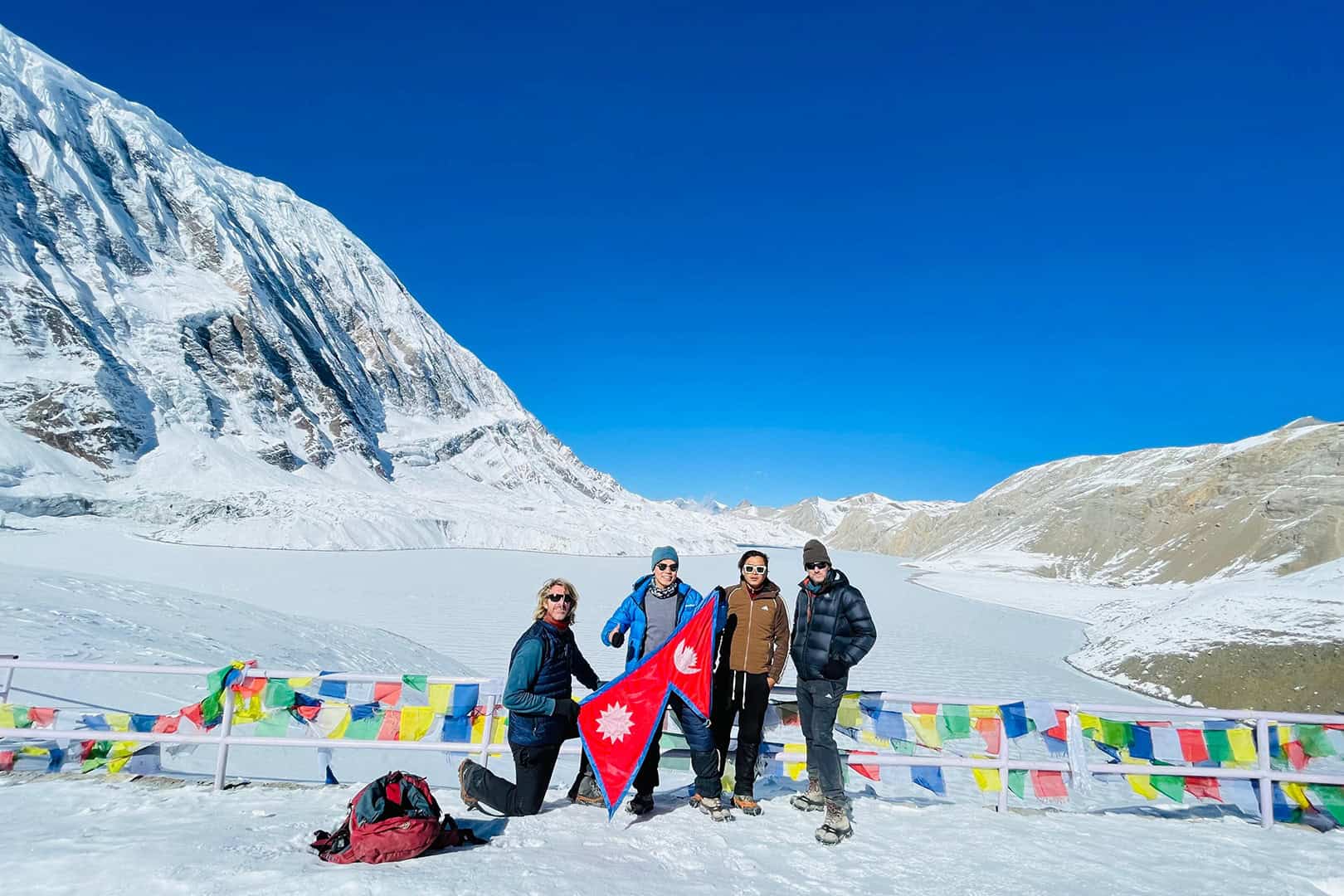
The altitude will be crucial here rather than pure physical fitness, despite how fit you are. The world’s best marathoners will still get sick at an altitude of 4,000 meters if they climb too quickly. Therefore, pay equal attention to altitude and distance.
Easiest Treks: Ideal for Novice Trekking and Families
If you have never been on a trekking trip before, try out some places where the scenery is spectacular and the physical demands are minimal.
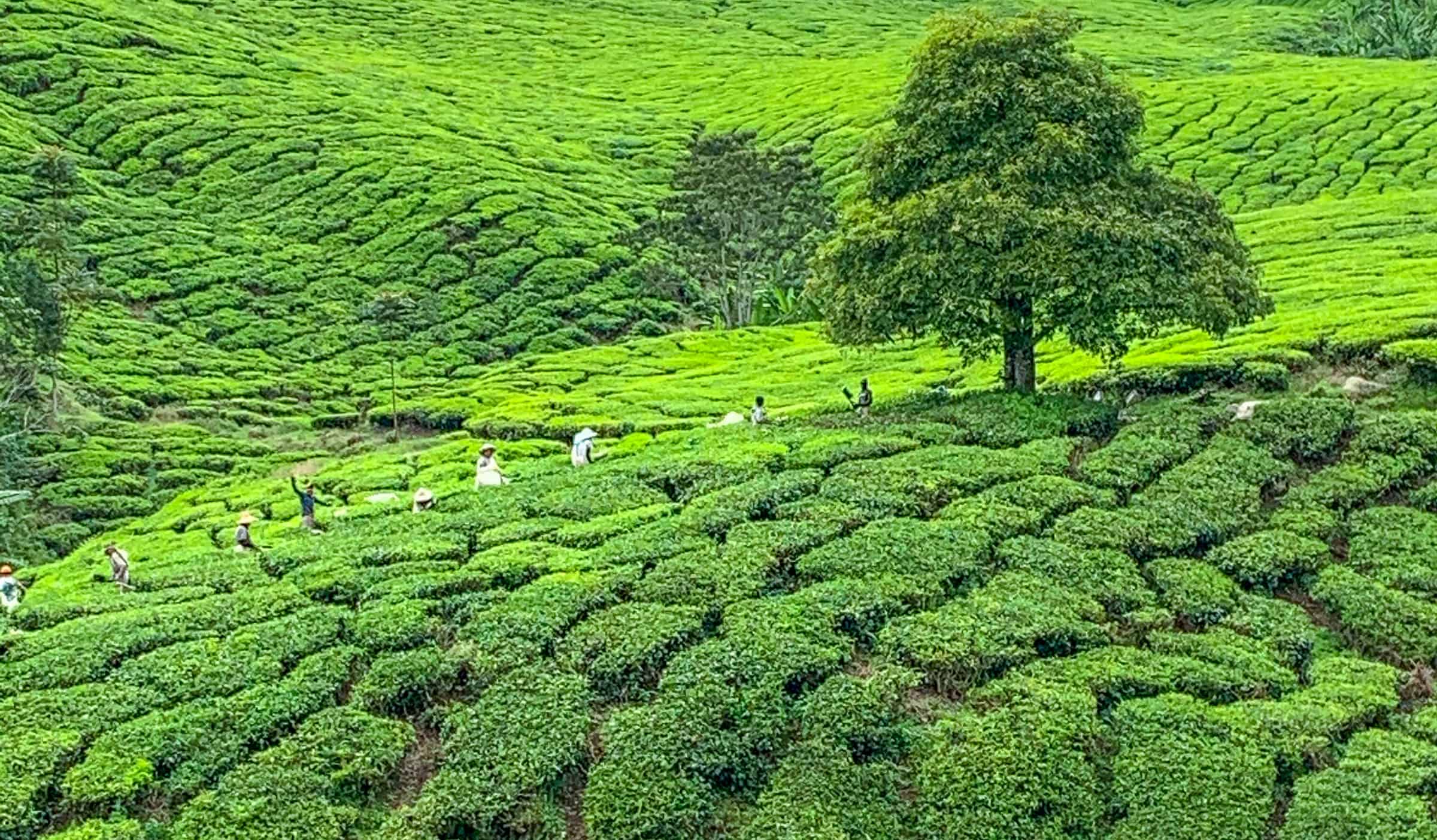
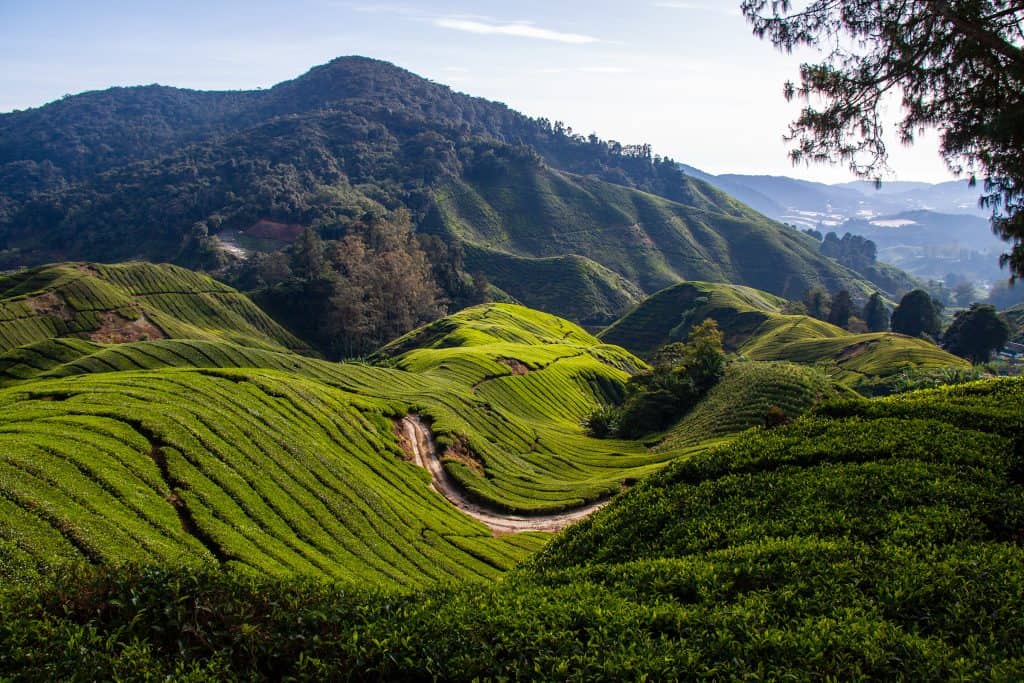
The Cameron Highlands trek in Malaysia is ideal if you want to trek at a moderate climate and experience trekking in the forests. The trek takes anything from an hour to three hours.
The Mount Batur trek in Bali, Indonesia is another easy option that allows you to enjoy the view during the sunrise.
Poon Hill trek in Nepal is arguably the best place to get close to the Himalayas in a comfortable way, and the treks are very easy here.
This type of trek requires no special preparation – just start walking around a few weeks prior to departure.
Moderate Trekking: Perfect for Walkers Prepared to Push Themselves
When walking short distances for the day seems too simple a challenge, it may be time to spend an entire week trekking on the trails. It is at this stage that you are expected to undertake considerable distance and elevation without being too much at risk.
An ideal moderate trek is found in the Markha Valley in Ladakh, India. The scenery features a high desert environment and small settlements. The terrain will test your stamina but at a comfortable height.
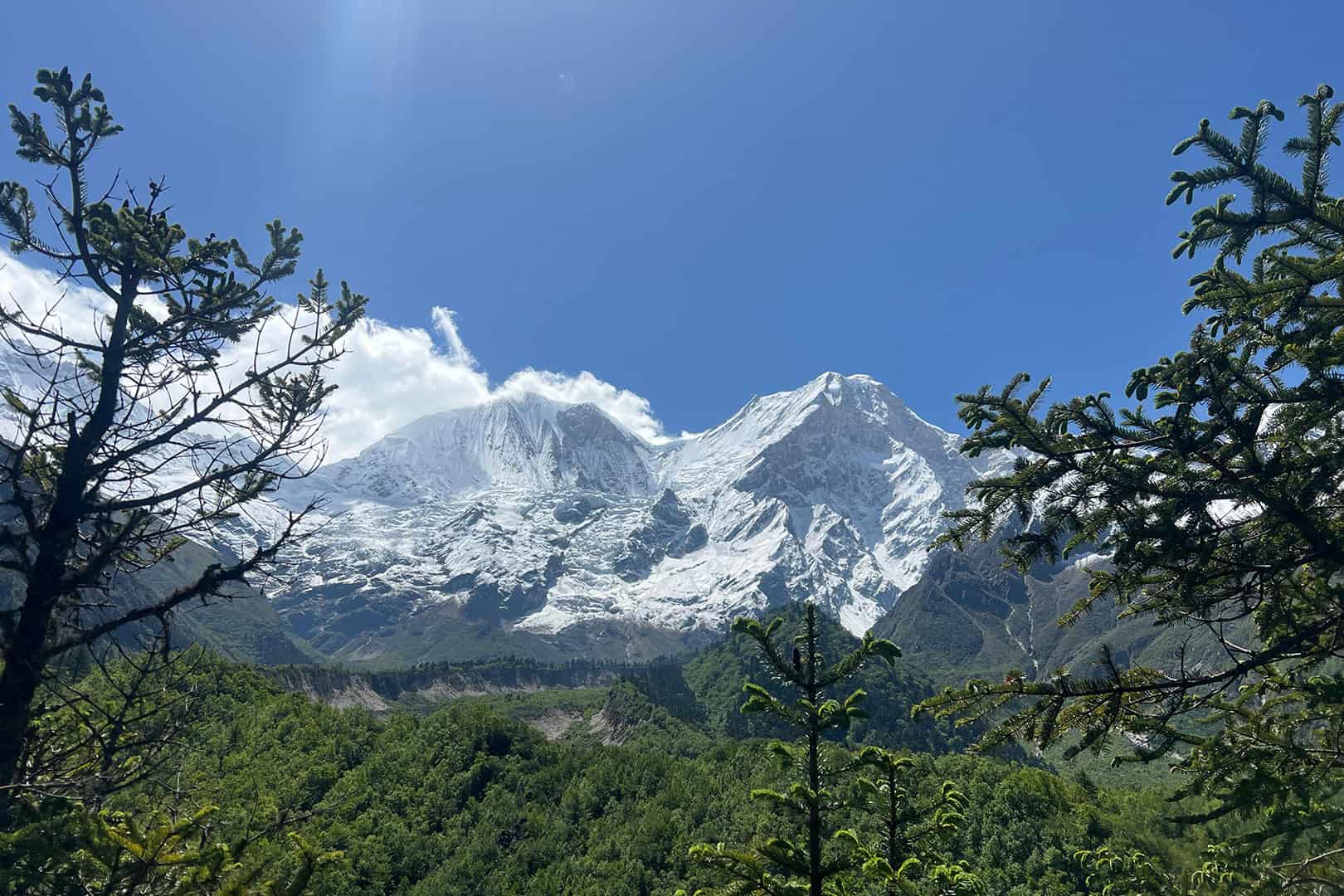
Another good moderate trek involves hiking the Annapurna circuit Trek in Nepal. The route involves passing through green valleys, dry highlands, and over the famous Thorong La Pass which rises above 5,400 meters above sea level. Usually, a hiker needs about two weeks to complete the journey with some rest days in between.
The trek requires you to endure great fatigue, however, the path is clearly marked and services are provided along the way. This makes it the perfect middle ground between the simpler and difficult trails.
A hiker should prepare by undertaking a month-long walk uphill with a loaded backpack.
Difficult Trekking Adventures: Ideal for Expert Trekking Lovers
Here, mountain trekking is not for the faint-hearted. The trails require good leg strength, determination, and proper altitude management.
A lot of people will agree that the most challenging trek is the Everest Base Camp trail, which is located in Nepal. You should be prepared for tough days ahead, breathlessness, and an elevation of 5,364 meters. The trekking journey does not involve technical skills but it will certainly test your endurance and patience.
Alternatively, a trip to the Manaslu region can also be interesting. The route passes through the eighth highest mountain in the world, as well as difficult Larke Pass. The trekking crowds are sparse, and the cultural environment is very pure. As this is the restricted zone, only registered guides can take you there, thus buying the Manaslu Circuit trek package will solve everything.
Preparation for these trips takes several months. Train yourself in aerobic fitness and do multi-day hikes.
Insights from Experts on How to Select an Asian Hike
Look for a trail that is a weakness for you and not your strength. For instance, if you have never trekked before at heights, select a trail where there are gentle climbs.
Go in the right season. The best weather for hiking in the Himalayas is during spring and autumn.
Do not neglect rest days since they appear unnecessary but they ensure that you remain in good condition.
For difficult trails, it would be wise to hire an experienced local guide who will help you anticipate adverse weather changes and any signs of illness.
Lastly, remember to commence training as soon as possible since the earlier you train, the more fun you will have.
Conclusion
There is no question about the fact that Asia offers a trail to everyone and all fitness levels. The key is not to be the fittest climber in the mountains; the trick is to pick the correct mountains. Begin small and work your way up gradually through medium-level trails to the more difficult climbs when you are fit both physically and mentally.
So now that you know what needs to be done, start planning out your own adventure! Decide which route suits your current fitness level and location and begin your journey to writing your own mountain tale.
Keep Exploring Malaysia
-
 The Must-Visit Places in Malaysia
-
 Must-Visit Attractions in Malaysia for an Unforgettable Adventure
-
 A Journey Through Malaysia’s Tea Plantations: Cameron Highlands Like Never Before
-
 Discover Malaysia in 2024: A Tapestry of Unforgettable Experiences
-
 A country of skyscrapers, beaches, and tropical forests
-
 Traveling to Malaysia? Here are 5 ways to enjoy and culture yourself whilst there.
camera-based AI face swap 12/07/2026
As a total beginner to trekking, this guide is such a breath of fresh air for me! I always thought all treks in Asia require pro-level fitness so I never dared to try, now I’m already planning a short family trip to Cameron Highlands.
john 06/07/2026
Asia has so many incredible trekking routes, and it’s great to see options that suit both beginners and experienced hikers. While planning different trips, I also came across useful information through Nevada Court Cases, which helped me better understand local property resources. Thanks for putting together such a helpful list of destinations. Looking forward to exploring some of these amazing trails in the future!