


Seamless Journeys: The Ultimate Guide to Modern Transit and Portable Entertainment in Malaysia
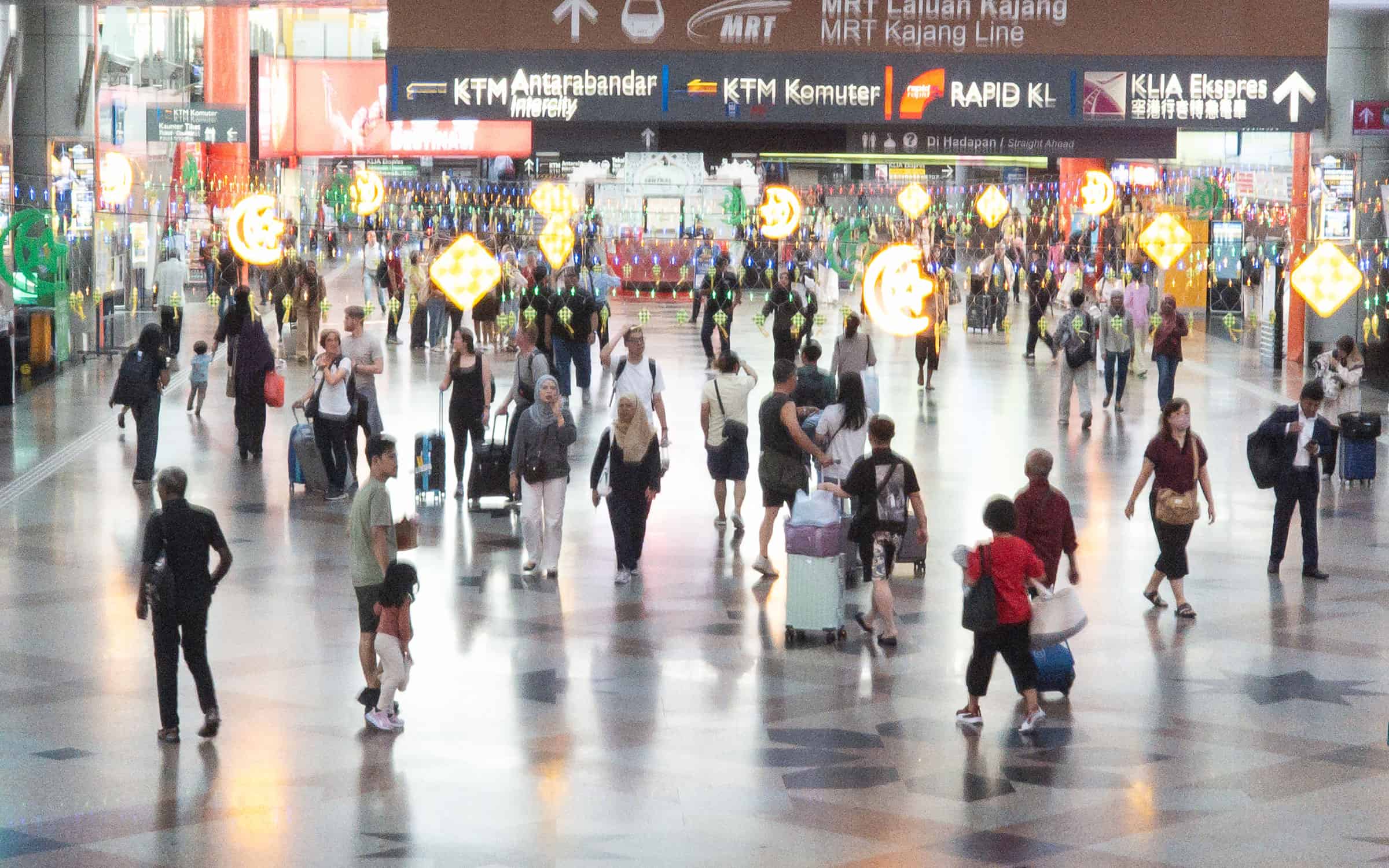
If you’ve ever stood in the middle of Kuala Lumpur Sentral at eight in the morning, you’ll know that familiar hum of anticipation. There’s a specific kind of energy in Malaysian transit hubs; a mix of sizzling satay aromas, the frantic clicking of departure boards, and that blast of icy air conditioning that hits you the moment you step off the humid street. Travelling through Malaysia has changed quite a bit over the last few years. We’ve moved away from the days of rickety buses and uncertain timetables toward a system that is, dare I say, world class in its own unique way.
Whether you’re heading north to the food capital of Penang or south toward the sleek skyline of Johor Bahru, the journey itself has become part of the holiday. But as much as we love looking at the endless palm oil plantations and limestone hills through a train window, there’s only so much scenery one person can take before the question of “what shall we do now?” crops up.
The Modern Malaysian Transit Landscape: From Rail to Road
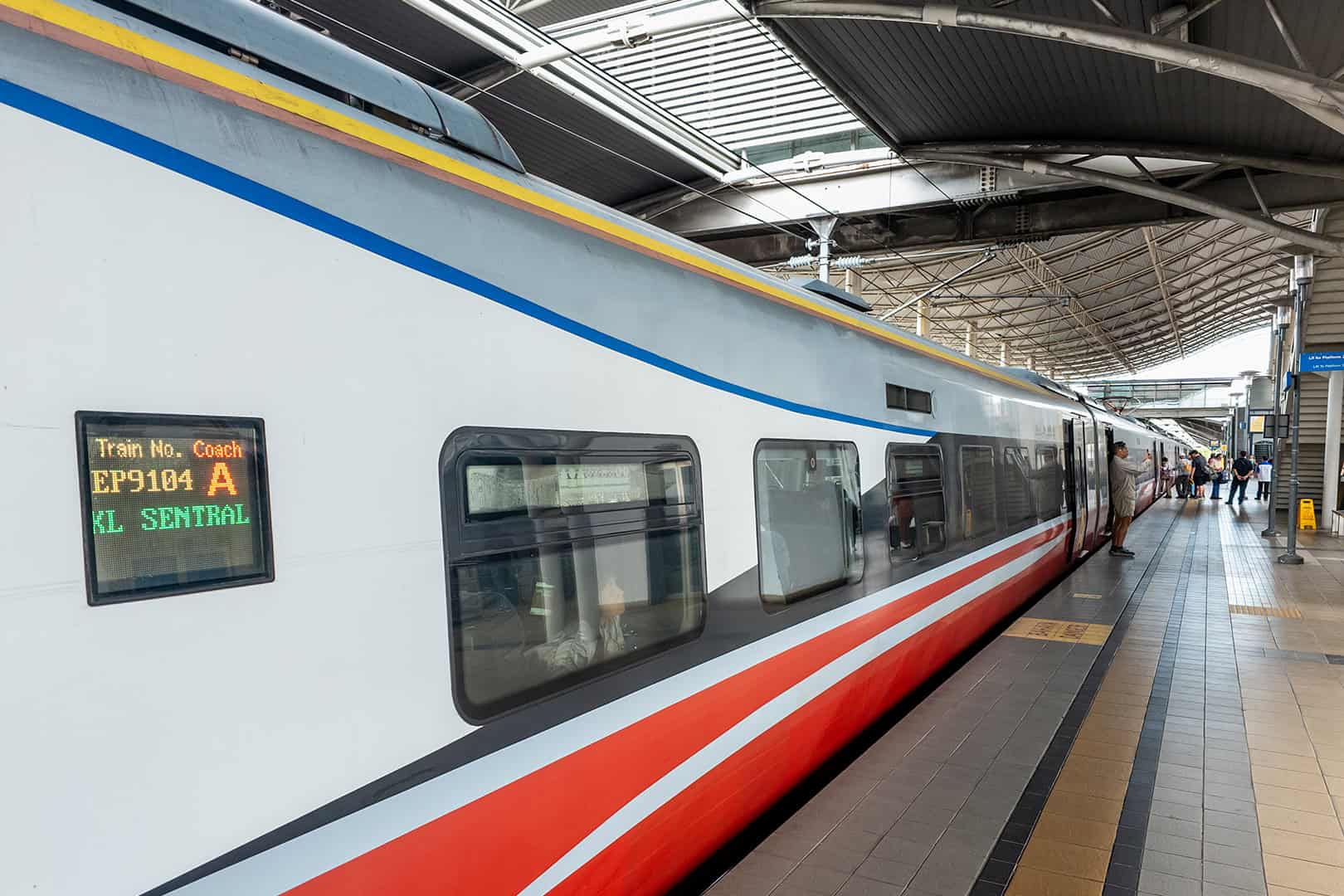
For many of us, the star of the show is the Electric Train Service, or the ETS as everyone calls it. If you haven’t tried it yet, you’re missing out on one of the most civilised ways to see the country. The route between Kuala Lumpur and Butterworth (the gateway to Penang) is a particular favourite. It takes about four hours on the Gold or Platinum services, and honestly, it’s a revelation compared to the old days of winding roads and traffic jams on the North-South Expressway.
The seats are wide, there’s plenty of legroom, and there’s a little bistro car if you fancy a nasi lemak while zooming through Perak. The Platinum service even gives you a little snack pack. It’s the kind of journey where you can actually relax. You aren’t white-knuckling a steering wheel; you’re just gliding along.
If you’re heading south to Johor Bahru, the coach is often the way to go. Now, I’m not talking about any old bus. Malaysia has perfected the “luxury coach” in a way that puts most European services to shame. Companies like Aeroline or Odyssey offer seats that are more like reclining thrones. Some even have on-board stewards and personal screens. It’s a very different vibe from the cramped coaches of my youth. You can settle in, wrap yourself in a pashmina to fend off the aggressive AC, and watch the world go by in total comfort.
Connectivity on the Move: The 5G Revolution
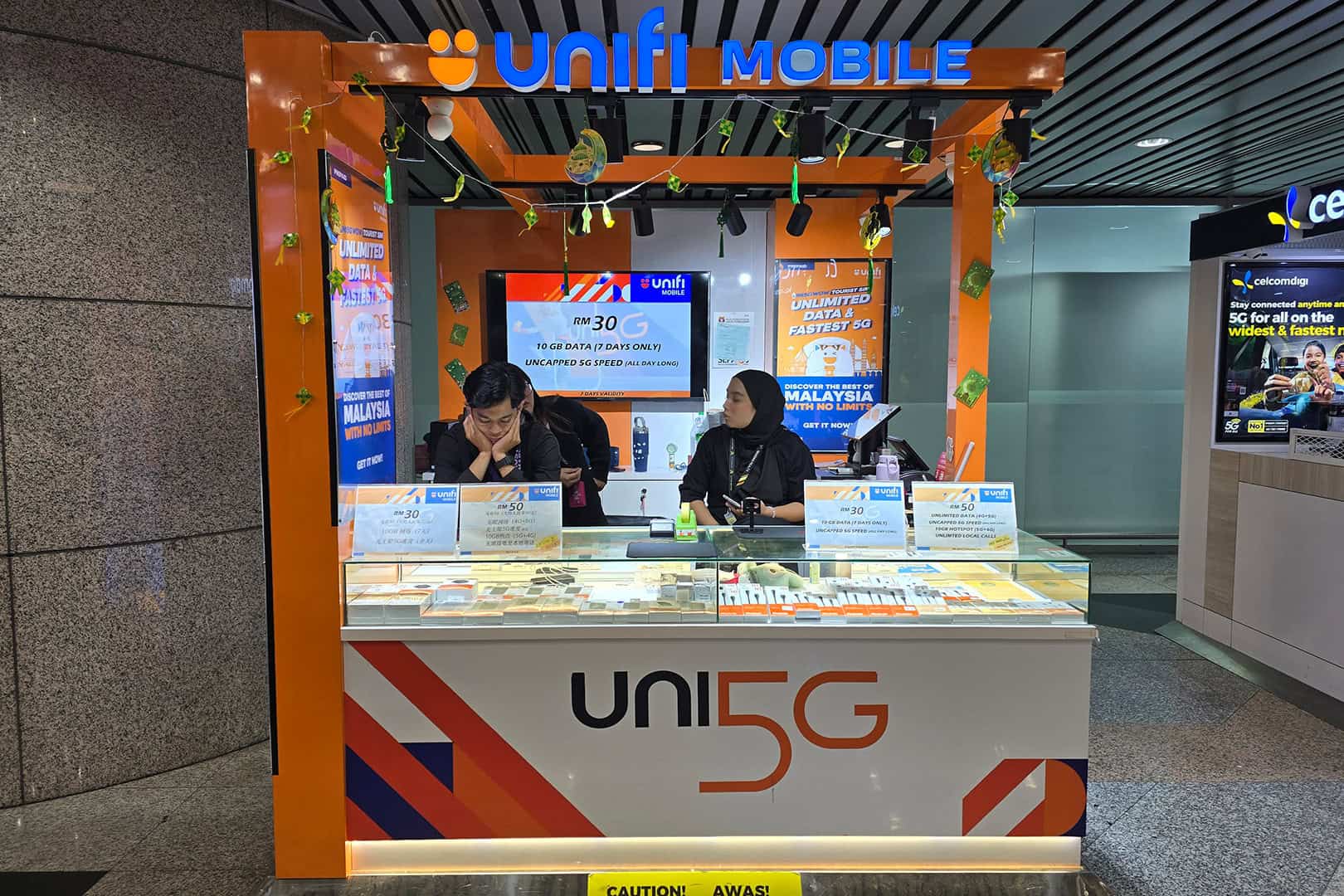
One of the biggest shifts I’ve noticed recently is how much better the signal has become while we’re on the move. I remember a time when crossing state lines meant your data would simply give up the ghost, leaving you with nothing but a “Searching…” icon for miles.
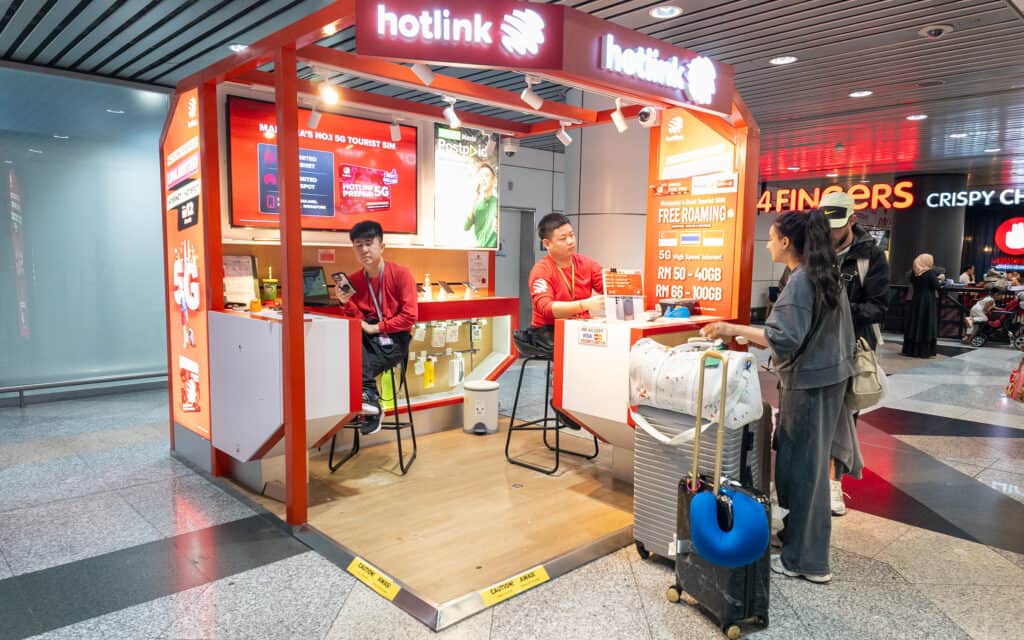
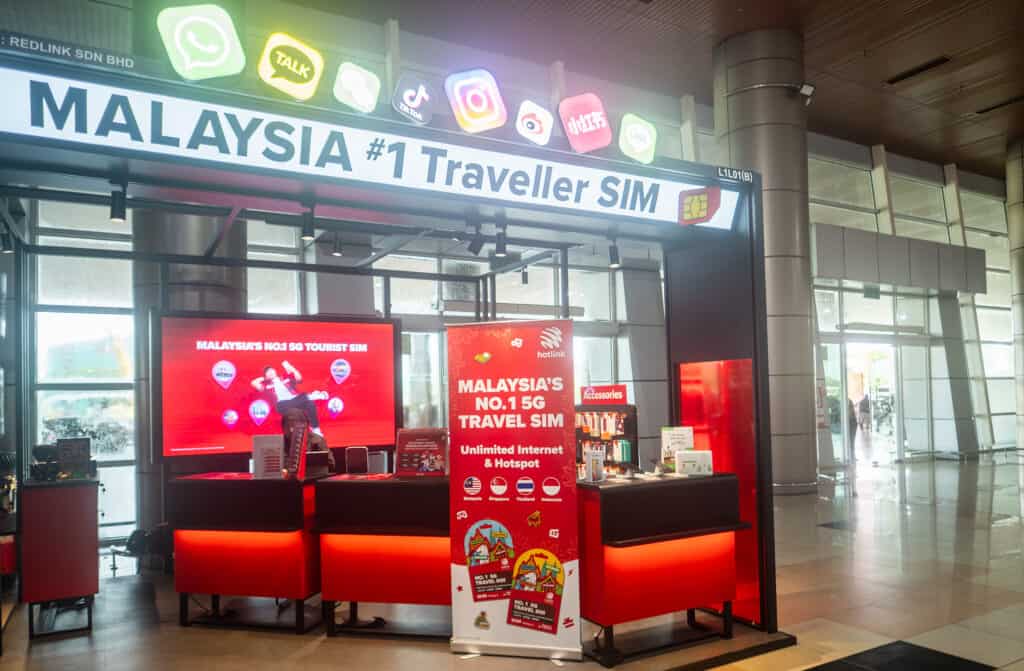
Thanks to the rapid rollout of 5G infrastructure across the country, those “dead zones” are shrinking. Malaysia’s 5G network, managed by Digital Nasional Berhad, has reached a point where even when you’re cutting through the more rural stretches of Selangor or Negeri Sembilan, you can usually keep a solid connection.
This has been a game changer for anyone who works remotely or just likes to stay connected. I’ve seen people joining video calls while crossing the bridge into Penang or uploading high-resolution photos of their breakfast before they’ve even finished their coffee. It means you don’t have to wait until you get to your hotel to start sharing your trip or catching up on your favourite shows. It’s made the transition between “life at home” and “life on the road” almost invisible.
Digital Toolkits for the Long-Haul Traveller
Since we have all this lovely connectivity, our packing lists have changed. I used to carry two or three thick paperbacks in my carry-on, which were heavy and often got dog-eared. Now, my “entertainment bag” is just a tablet, a pair of noise-cancelling headphones, and a decent power bank.
When you’re on that four-hour ETS stretch to Butterworth, you need a toolkit of apps to keep you occupied. You’ll want the basics, of course: Grab for when you land, Google Maps for navigating the winding streets of George Town, and perhaps a translation app if your Malay is a bit rusty. But beyond the utility, we’re seeing a real shift in how we spend our leisure time during those quiet hours.
I’ve noticed that most people have moved away from those old, dusty seat-back magazines that haven’t been updated since 2018. Instead, we’re looking for interactive experiences. It’s about having something that feels a bit more engaging than just scrolling through a social media feed for the hundredth time.
In my curated list of “Downtime Apps” for a Malaysian journey, I usually recommend a mix of the following:
- Pocket: Great for saving long-form articles while you’re on hotel Wi-Fi so you can read them offline during the train journey.
- Monopoly Casino: This is a brilliant digital evolution of a familiar classic. It brings that nostalgic board game feeling to your phone, offering Monopoly Casino slots that are perfect for lighthearted leisure. It’s a modern way to engage with a brand many of us grew up with, but without the need to carry a bulky box or find three other players to join you.
- Duolingo: If you’re heading to the islands, learning a few phrases of Bahasa Malaysia like “Terima kasih” (Thank you) or “Sama-sama” (You’re welcome) goes a long way.
- Podbean or Spotify: I always download a few episodes of a true crime or history podcast. There’s something about the rhythmic sound of the train tracks that makes podcast listening very immersive.
The Evolution of Leisure: Interaction Over Passivity
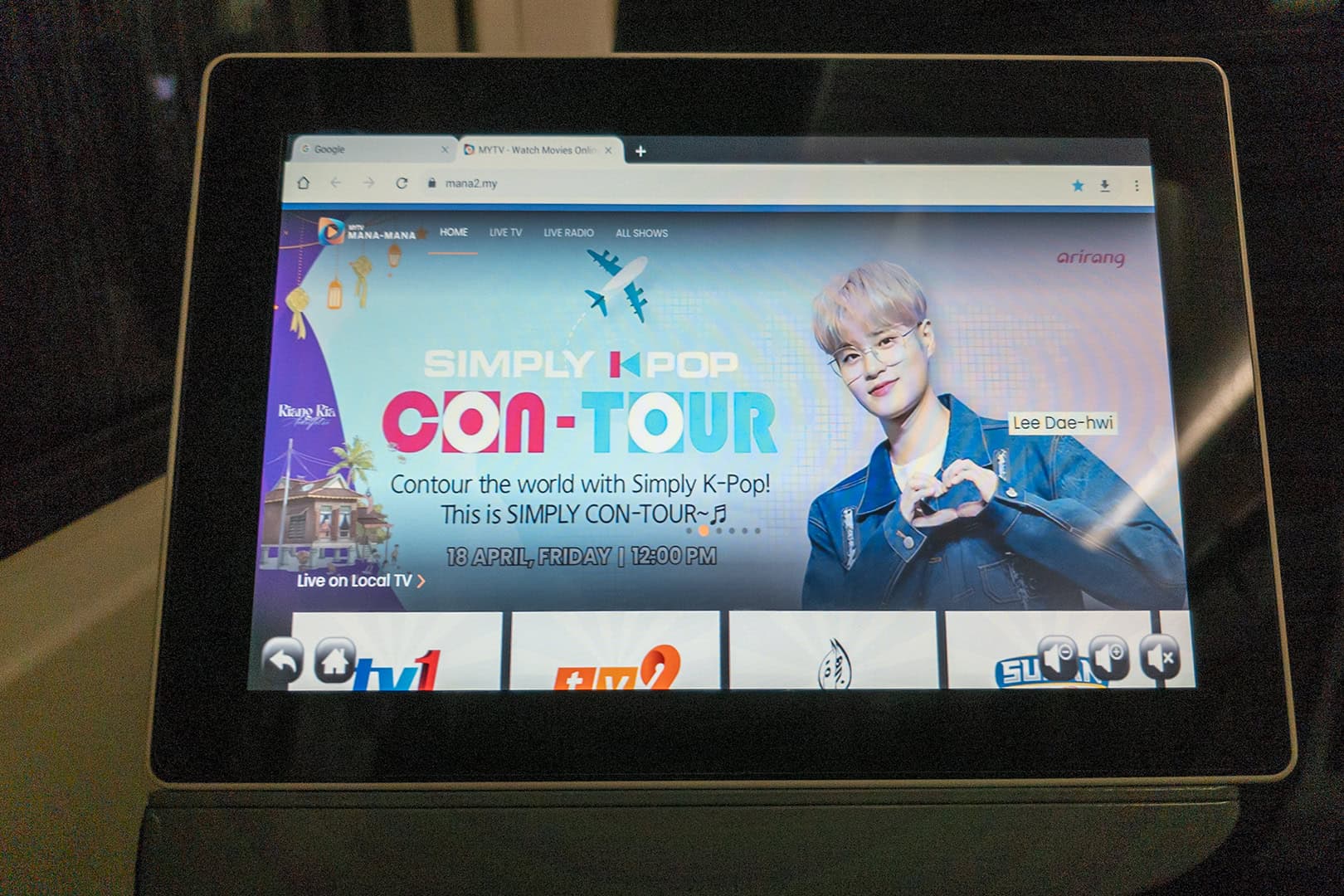
It’s interesting to think about how our habits have evolved. I remember when the height of travel entertainment was a portable DVD player or a Game Boy. Today, we want something that feels more integrated and social. The shift toward interactive mobile experiences is a huge part of that.
We used to be satisfied with a crossword puzzle in a newspaper, but now we have apps that offer much more dynamic ways to pass the time. The reason things like digital slots or interactive strategy games have become so popular on the ETS or during long flights is that they provide a sense of progression. You aren’t just sitting there; you’re participating in something.
Using something like the Monopoly Casino platform is a great example of this. It taps into that sense of nostalgia we have for the physical board game, but it’s been redesigned for the mobile-first world we live in. It fits perfectly into those “in-between” moments of travel; the twenty minutes waiting for a delayed bus or the final hour of a flight when you’re too restless to watch a full movie but want something more fun than checking your emails.
Destination Spotlight: Managing the Tropical Downpour
Now, let’s talk about what happens when you actually get to your destination. If you’re heading to Langkawi or the Perhentian Islands, you’re likely looking for sun, sand, and crystal-clear water. However, if you know Malaysia, you know the rain.
Tropical rain showers are no joke. One minute you’re sunbathing on Long Beach, and the next, the sky turns a dramatic shade of charcoal and the heavens open. In the Perhentians, this usually means everyone retreats to their wooden chalets or the nearest beach cafe with a tin roof.
This downtime is actually some of my favourite time. There’s something incredibly peaceful about listening to a heavy tropical storm while you’re tucked away under a roof. But you do need a plan for when the “island fever” sets in. This is where your digital toolkit really earns its keep.

While you wait for the storm to pass (which usually takes an hour or two), it’s the perfect time to dive back into those apps you were using on the train. Whether it’s playing a few rounds of a digital game, catching up on a downloaded series, or finally sorting through the hundreds of photos you took at the night market, having that entertainment ready means the rain doesn’t ruin the mood. It becomes a forced bit of relaxation, a chance to recharge before the sun comes back out and you’re back in the water.
A Few Final Thoughts on the Road
Travelling through Malaysia is a much smoother experience than it used to be. The combination of high-speed rail, luxury coaches, and widespread 5G means we’re never really “lost” or “bored” unless we choose to be. We’ve traded the heavy luggage and the tattered paperbacks for sleek devices and interactive apps that keep us entertained from KL Sentral all the way to the white sands of the islands.
The next time you find yourself on the ETS Gold to Butterworth, take a look around. You’ll see a country on the move, perfectly balanced between its traditional roots and a very modern, connected future. Just make sure your power bank is charged, your favourite apps are updated, and you’re ready to enjoy the ride.
***
Please gamble responsibly. For more information and support, please visit BeGambleAware or GamCare. 18+ only.


Stay Updated on Malaysia