


Is A Combined Trip To Malaysia And Singapore Worth The Effort
For international travelers planning a Southeast Asian odyssey, the dilemma of choosing between Singapore and Malaysia is a common hurdle. Geographically, they are neighbors separated only by a narrow strait, yet they offer strikingly different experiences in terms of cost, culture, and atmosphere. Do the logistics of crossing the border and managing two different currencies and immigration systems justify the reward? The answer largely depends on the desire for variety, as combining the two destinations creates a comprehensive narrative of the region’s history and development.
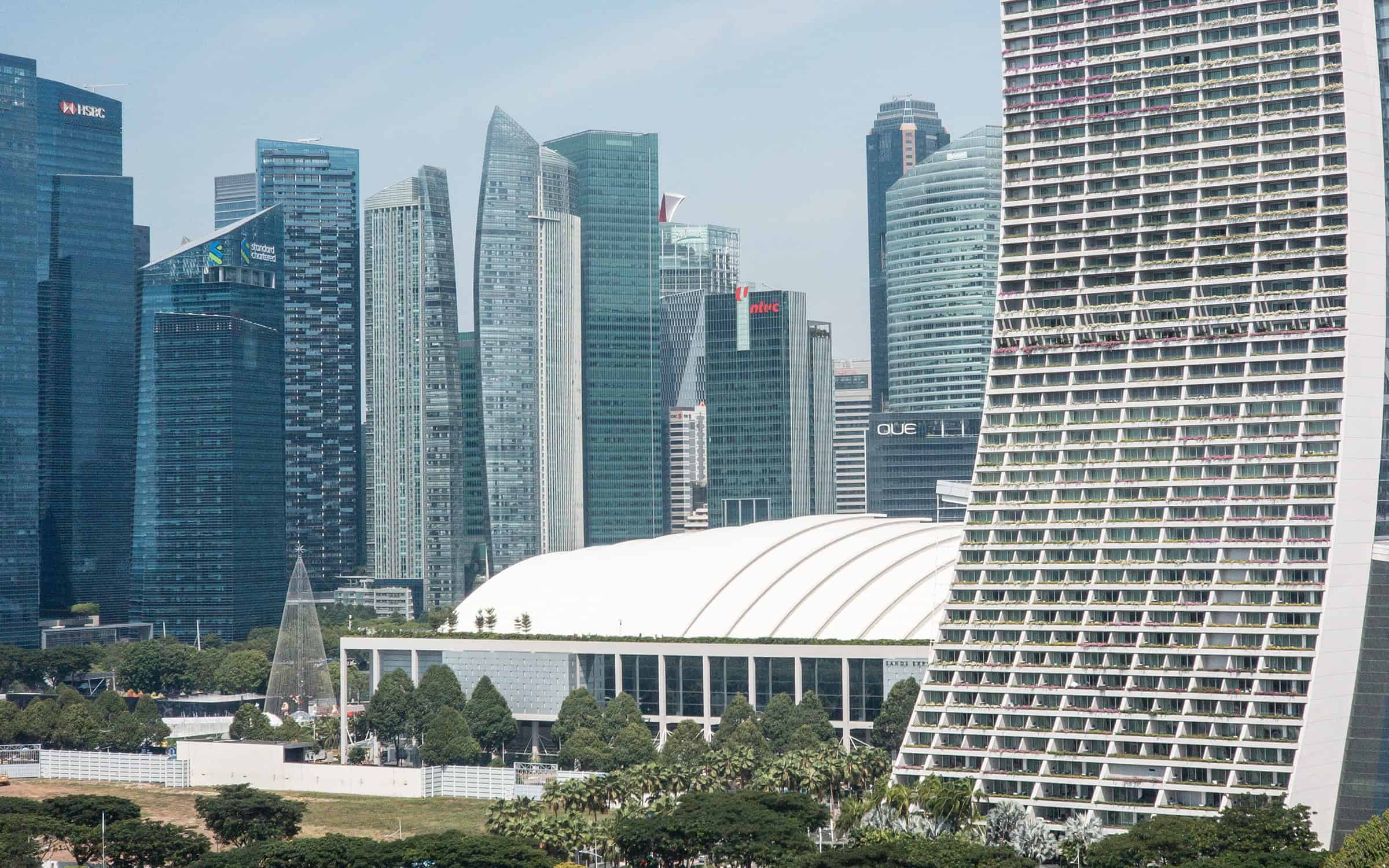
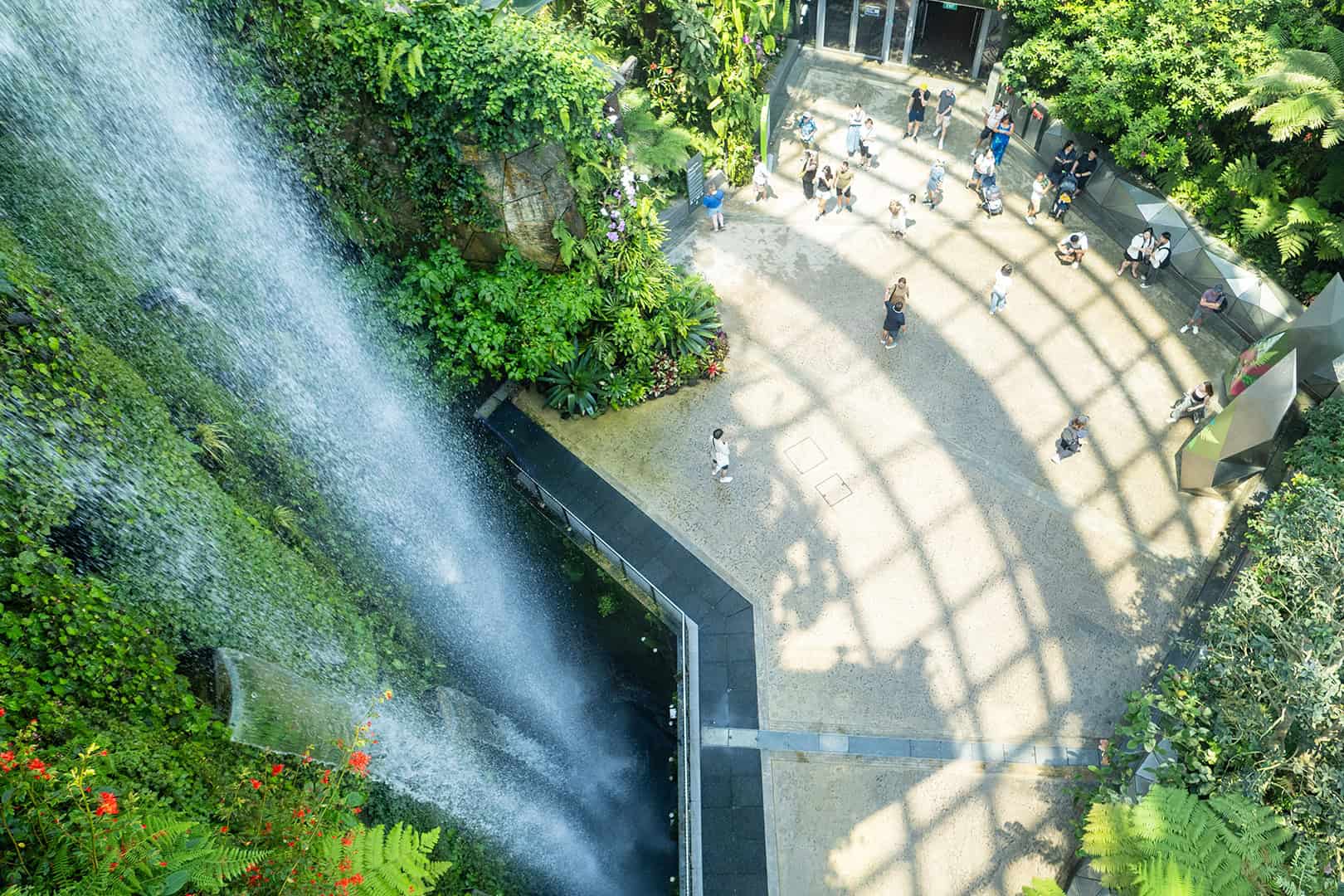
Due to the proximity and strong historical links between the two countries, a dual-destination itinerary is among the most sensible options for travelers arriving by plane in the area. While Malaysia offers a combination of natural beauty, ancient rainforests, and a more laid-back, traditional pace of life, Singapore offers a contemporary, highly polished metropolitan experience sometimes referred to as the “Garden City.” Travelers may observe the different routes these two countries have followed since their split by visiting both, providing a more comprehensive background than a journey to each alone could.
Consider Transport Links Between The Two Nations
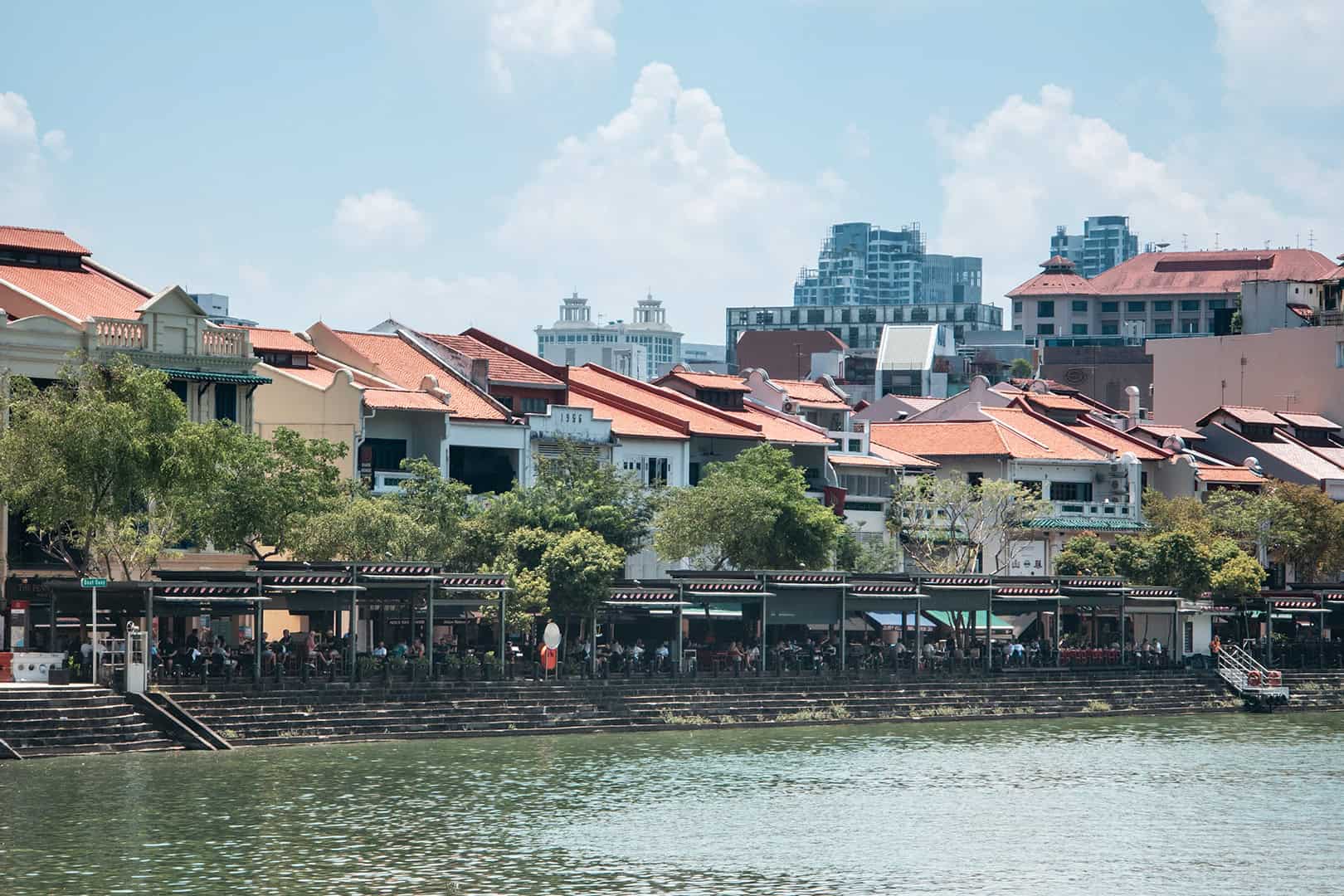
The physical connection between Singapore and Malaysia is one of the busiest international borders in the world, supported by strong infrastructure designed to handle massive volumes of daily commuters and tourists. Travelers can choose between a quick flight from Changi Airport to various Malaysian cities or the more adventurous land crossings via the Causeway or the Second Link.
The land option is incredibly popular for those heading to Johor Bahru or taking a bus further north to Kuala Lumpur or Malacca. The efficiency of these checkpoints has improved significantly with the adoption of automated clearance systems, making the journey far less daunting than it was in previous decades.
The volume of people moving between these two countries was 245 million traveler movements processed across Singapore’s air, land, and sea checkpoints in 2025. This high frequency of travel ensures that transport providers are plentiful, with buses departing every few minutes and trains offering a scenic alternative. For the international visitor, this means that adding Malaysia to a Singapore trip, or vice versa, requires minimal advanced logistical planning compared to other multi-country itineraries.
Include Online Amenities And Entertainment For Travelers
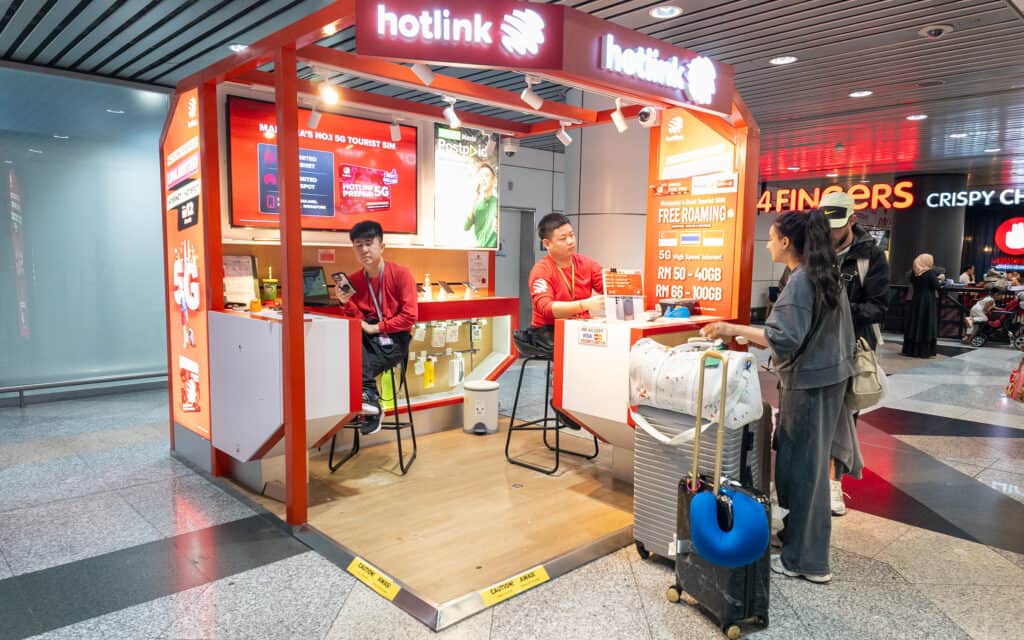
Travel in both Singapore and Malaysia is facilitated by high levels of digital integration, ensuring that visitors remain connected and comfortable throughout their journey. Ride-hailing apps work effortlessly across borders, and digital payment methods are widely accepted, reducing the need to carry large amounts of cash.
Hotels and transport hubs in both nations prioritize high-speed internet access, catering to the needs of the “always-on” traveler who relies on connectivity for navigation, translation, and entertainment. This digital readiness allows for a smooth transition between the two countries, as the technological ecosystem is compatible and user-friendly.
When the day’s exploration is done, many tourists turn to their devices for relaxation, expecting the same level of digital entertainment availability they enjoy at home. While Singapore has integrated resorts with physical gaming floors, the digital space offers convenience for those preferring privacy.
For example, if you are wondering where to find top Singapore betting platforms, several online operators deliver mobile-optimised experiences that reflect the city-state’s reputation for efficiency and precision. This is made possible by Singapore’s advanced digital backbone, including widespread fibre broadband and nationwide 5G coverage that supports ultra-low latency, high-definition streaming, and real-time transactions.
Whether placing in-play wagers, streaming live sporting events, or managing digital wallets, users benefit from infrastructure designed for speed and reliability. That accessibility to digital leisure, powered by resilient online networks and next-generation connectivity, ensures downtime during the trip can feel just as refined and high-performance as the skyline and attractions themselves.
Comparing Cultural And Culinary Atmospheres
One of the most convincing reasons to combine these destinations is the immediate contrast in cultural “vibe” and culinary heritage. Singapore offers a curated, cosmopolitan environment where hawker centers are organized and regulated, offering a sanitized yet delicious introduction to local flavors. Malaysia, again, offers a grittier, perhaps more authentic street food culture where roadside stalls in Penang or Kuala Lumpur serve dishes with robust, traditional profiles.
The shared heritage is evident in dishes like Laksa and Hainanese Chicken Rice, yet the preparation and environment in which they are consumed differ considerably. This shared appreciation for food and leisure drives a massive amount of cross-border tourism. At least 10,288,256 tourists from Singapore visited Malaysia from January to June 2025.
This flow of visitors suggests that even locals recognize the unique value Malaysia offers that cannot be found in the city-state. For an international tourist, following this local trend opens up opportunities to explore heritage sites like Georgetown and the tea plantations of Cameron Highlands, which provide a cool, green respite from the tropical humidity of the lowlands.
Balancing The Budget For A Dual Destination
Perhaps the most practical argument for a combined trip is the financial balance it offers to a travel budget. Singapore is undeniably a premium destination, with accommodation and attraction costs comparable to major Western cities. Malaysia is known for its exceptional value, where luxury hotels and five-star dining experiences are available at a fraction of the price found south of the border.
Splitting a two-week holiday between the two allows travelers to indulge in Singapore’s high-end attractions, such as Marina Bay Sands or Universal Studios, while offsetting those costs with affordable luxury in Malaysia.
The economic data reflects Singapore’s status as a hub for high-yield tourism, attracting visitors willing to spend on premium experiences. International visitor spending in Singapore rose to a record S$23.9 billion in the first three quarters of 2025. By strategically planning the itinerary, travelers can contribute to this vibrant economy for a few days before retreating to the more budget-friendly expanses of Malaysia. The effort to visit both is minimal compared to the richness of the experience, offering a perfect combination of metropolitan sophistication and traditional Southeast Asian charm.
Keep Exploring Malaysia
-
 Staying Connected in Malaysia in 2026
-
 Staying Online in Malaysia: The Traveler’s Guide to Mobile Data
-
 Seamless Journeys: The Ultimate Guide to Modern Transit and Portable Entertainment in Malaysia
-
 Prevent the Exhausting How to Have a Pleasant Trip in Malacca
-
 The Must-Visit Places in Malaysia
-
 Singapore travelers are quietly making Kuala Lumpur their weekend base
mark 17/03/2026
really i can go to Singapore and Malaysia