


The Causeway’s Coastal Views and the Tropical Inland Greenery
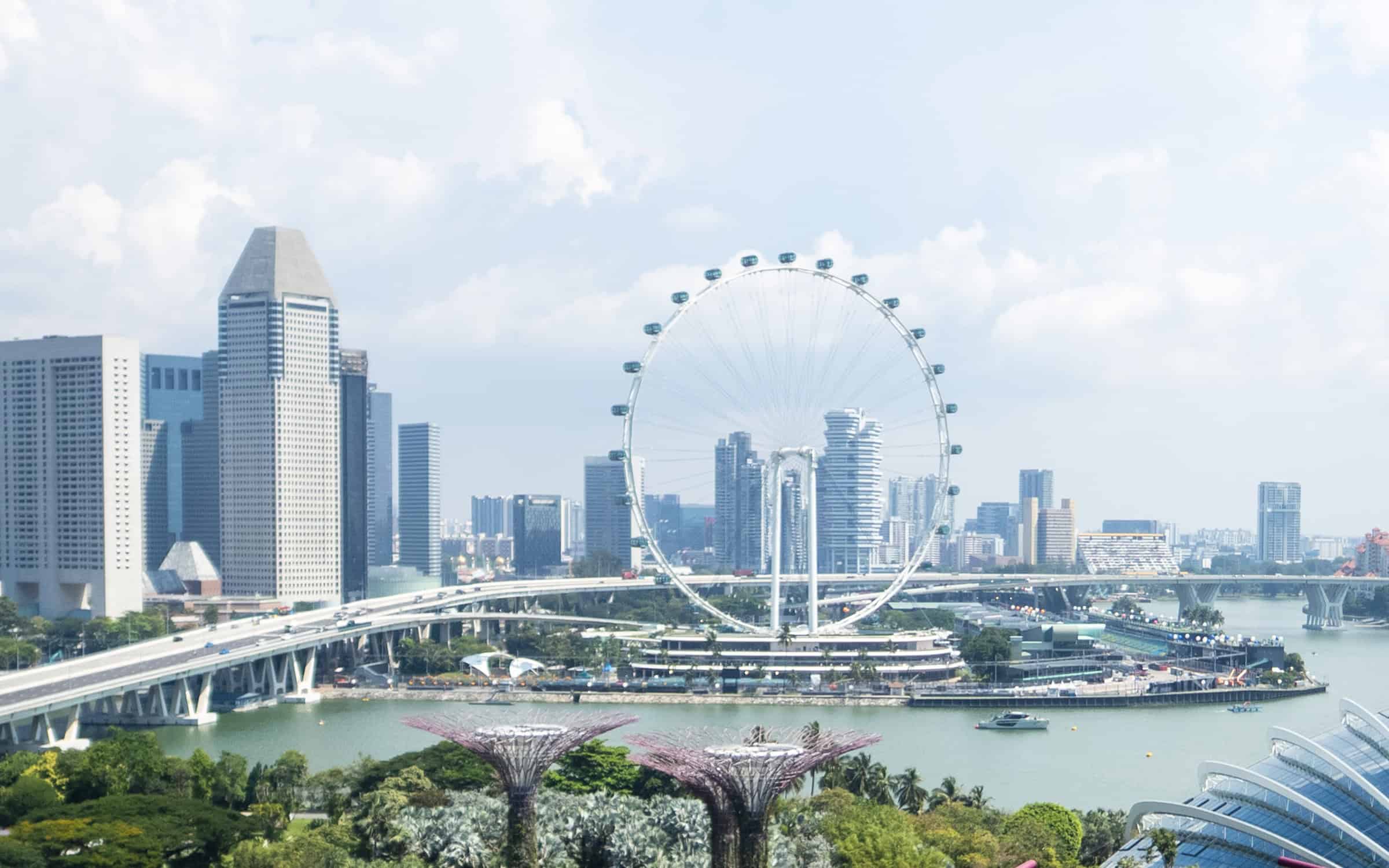
Borders are rarely visible in the way maps suggest. They tend to gather quietly — in shifts of vegetation, in the widening or narrowing of roads, in the tone of light over water. Between Singapore and Malaysia, the division rests along a narrow strip of sea, yet the experience of crossing feels more atmospheric than definitive.
The coast holds its own palette: grey-blue water, concrete edges, low industrial silhouettes against the horizon. Inland, the colours deepen almost immediately. Green presses closer to the road. Moisture thickens the air. Nothing announces the transition loudly; it unfolds in increments.
Water, Steel, and the Narrow Strait
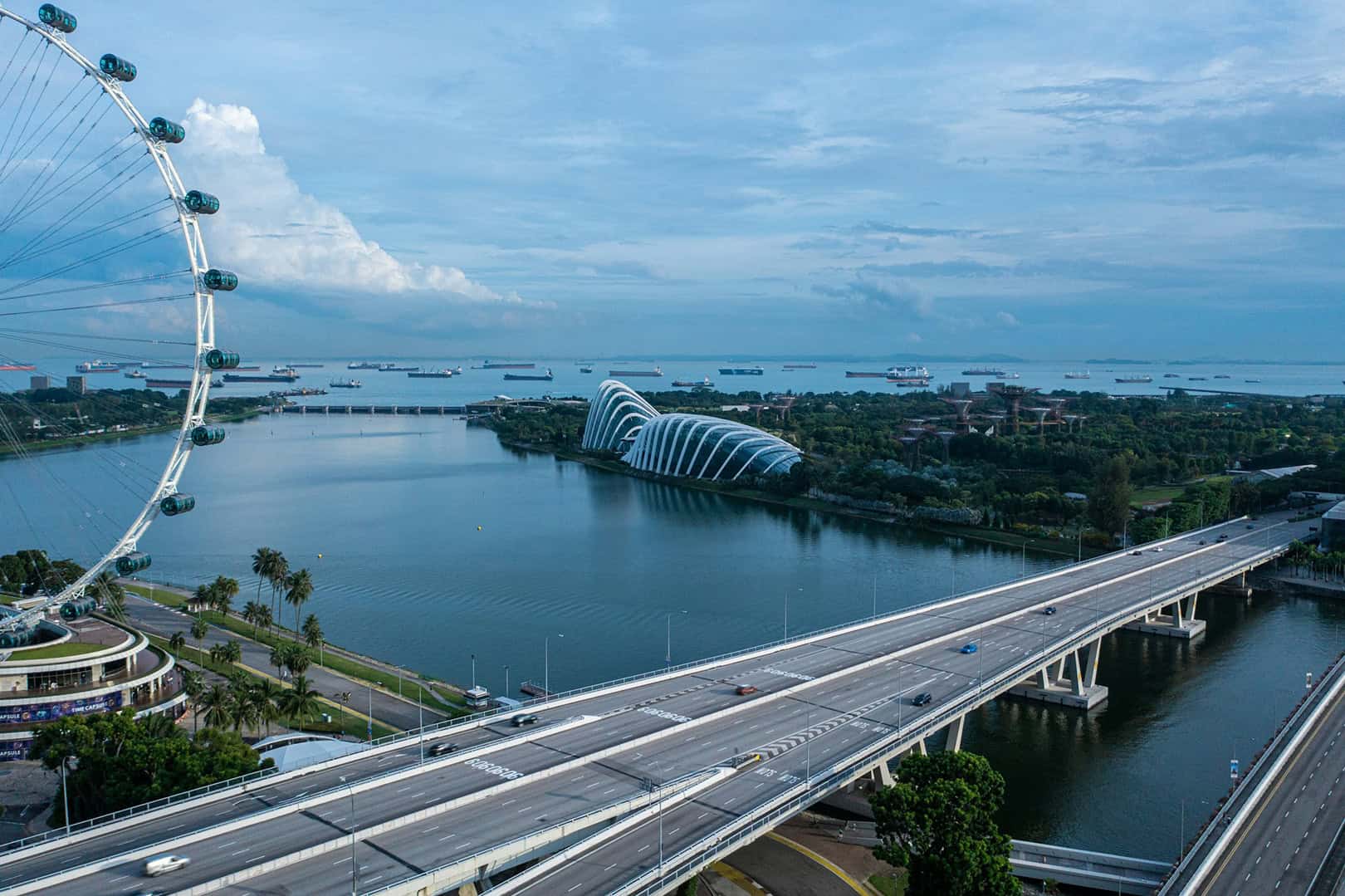
The Causeway stretches across the Johor Strait without ornament. Its purpose is direct, almost austere. Vehicles move steadily, their rhythm governed less by speed than by volume. From the windows, the sea appears contained, its surface textured by small currents and passing boats.
Standing above the water, you sense proximity more than distance. Singapore’s skyline remains visible behind you, precise and vertical. Ahead, the land of Johor approaches gradually, its shoreline edged with low trees and occasional piers.
Many travellers experience this stretch while aboard the Singapore Kuala Lumpur train, where the crossing feels suspended — not entirely coastal, not yet inland. The tracks carry you across in a measured glide. The sea remains visible for only a short span before yielding to vegetation.
The shift does not disrupt. It layers. Concrete gives way to softer outlines. The sky retains its humidity, though the texture of light begins to change.
Where the Green Thickens
Once inland, the greenery intensifies. Palm trees line the tracks. Banana leaves tilt outward, heavy with moisture. The soil darkens. What felt open above the strait becomes enclosed beneath foliage.
The journey north through Malaysia carries this density with it. Small towns appear briefly — rooftops clustered close to the line — before dissolving back into stretches of plantation and forest. The landscape does not feel interrupted by infrastructure; it accommodates it.
For those returning south on the Kuala Lumpur to Singapore train, the reversal is subtle. The green gradually thins. Buildings reassert verticality. The approach to the coast is sensed first through openness, then through glimpses of water.
Inside the carriage, the air-conditioning hums softly. Outside, heat lingers in the late afternoon light. Movement continues without emphasis, framed by windows that compress distance into narrow bands of colour.
Between Urban Edge and Interior Canopy
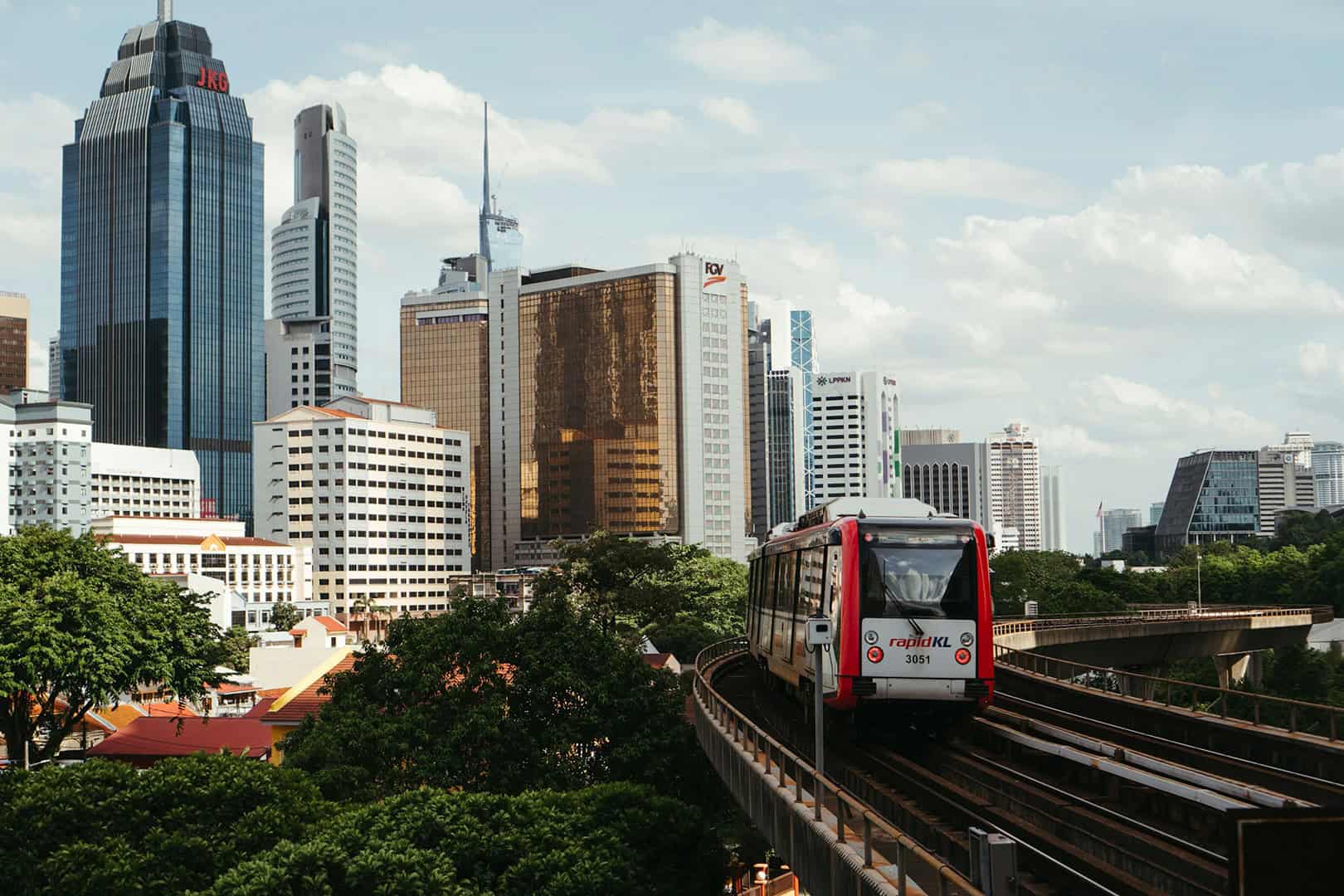
Kuala Lumpur rises from this greenery in layered forms — towers intersecting with low shophouses, highways threading between trees. The city does not fully detach from its tropical setting. Even near its centre, vegetation persists along verges and courtyards.
The contrast with Singapore’s more compressed skyline feels less oppositional than proportional. One city arranges itself in sharp lines; the other spreads slightly outward, allowing foliage to remain visible at ground level.
Travel between them does not fracture the experience of either. The train follows a corridor where palm, rubber, and open field alternate. Occasional rivers flash silver beneath bridges. The transition from coast to interior becomes a gradual adjustment in texture.
Light in Humid Air
Humidity softens edges. Along the Causeway, the air feels expansive, wind crossing water without obstruction. Inland, that same air settles heavier among trees, carrying the scent of soil and rain.
Late afternoon alters both scenes differently. Over the strait, the sky reflects in flattened tones. Inland, shadows gather quickly beneath canopy, though brightness lingers above. The distinction lies not in temperature but in openness.
Over time, the memory of crossing blurs into a sequence of surfaces — steel railings, rippling water, layered leaves. The border itself recedes into abstraction. What remains is the visual progression from exposed coastline to enveloping green.
Nothing resolves decisively at the midpoint. The sea does not end where the forest begins; it recedes gradually. The inland does not overpower the coast; it unfolds beside it.
Later, recalling the journey, the images overlap — skyline dissolving into palms, strait narrowing into track. The train continues its measured passage. The greenery holds its depth. The water remains just beyond sight, steady and unremarked.
Keep Exploring Malaysia
-
 Staying Online in Malaysia: The Traveler’s Guide to Mobile Data
-
 Seamless Journeys: The Ultimate Guide to Modern Transit and Portable Entertainment in Malaysia
-
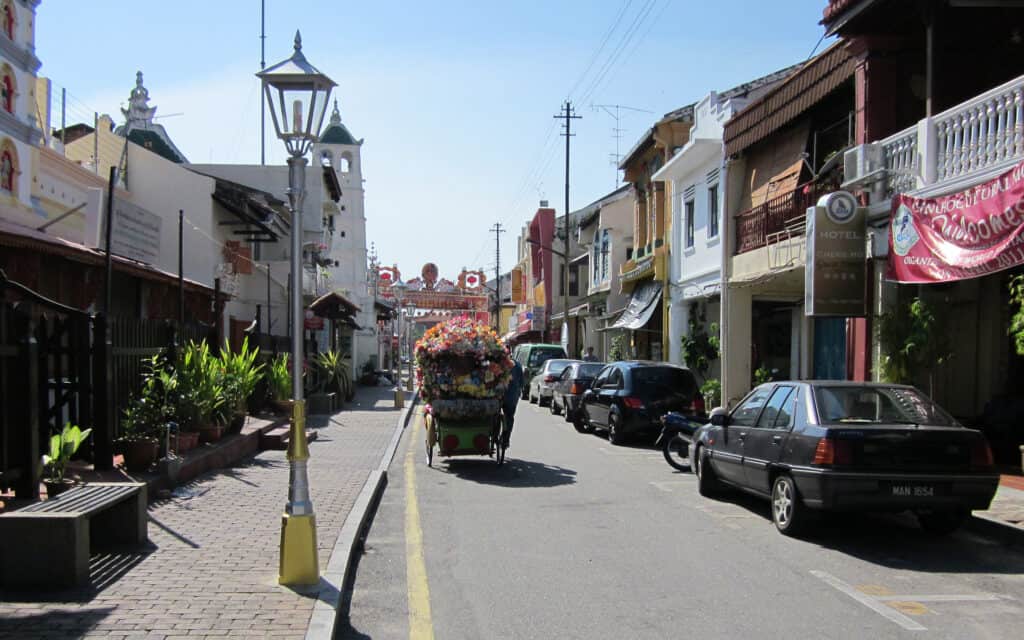 Prevent the Exhausting How to Have a Pleasant Trip in Malacca
-
 The Must-Visit Places in Malaysia
-
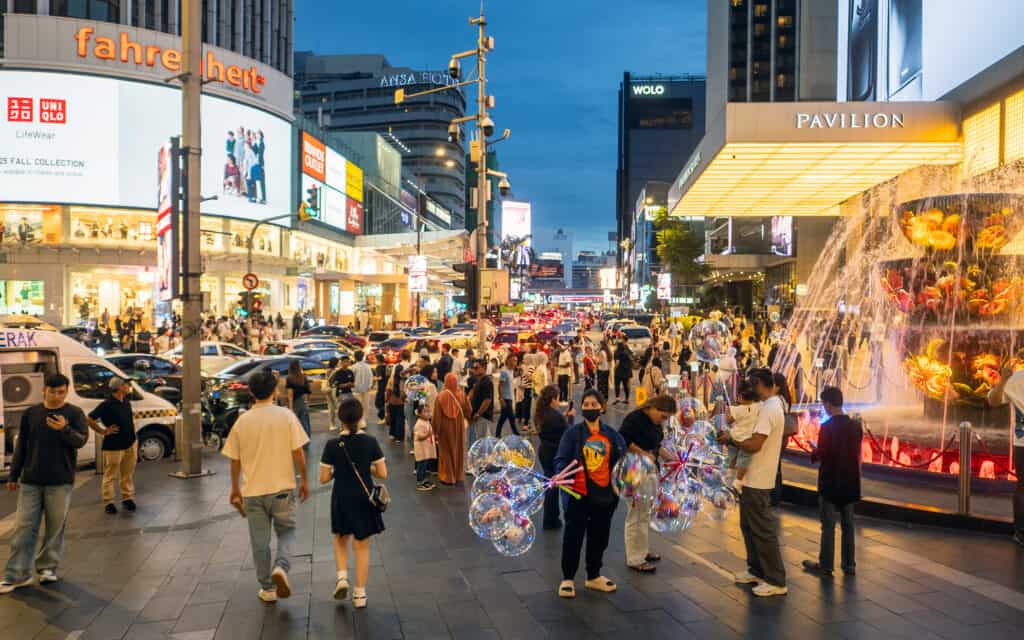 Singapore travelers are quietly making Kuala Lumpur their weekend base
-
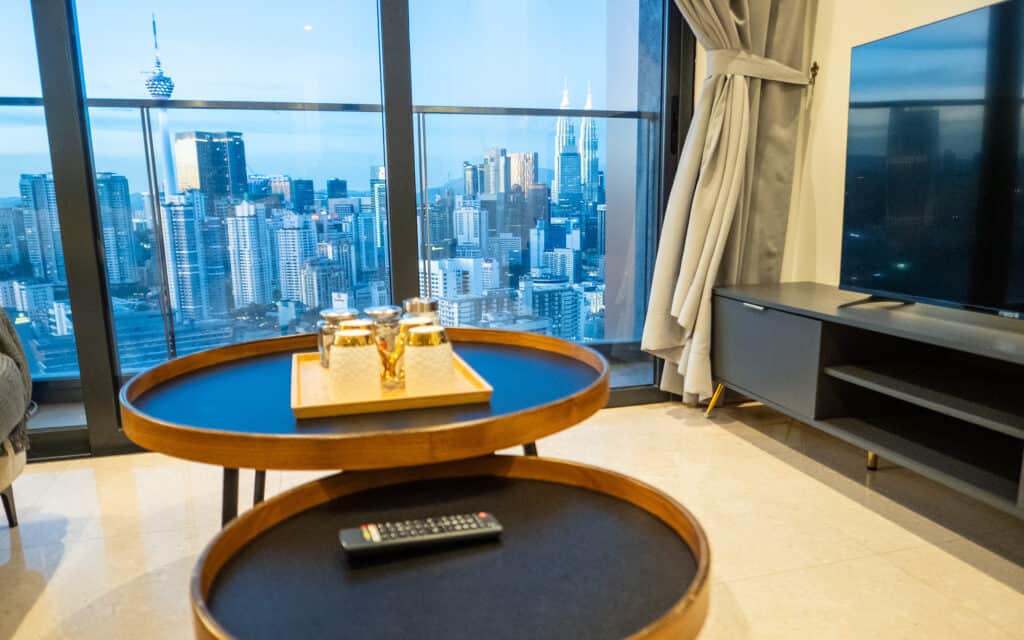 How to Compare Room Rentals for Best Value
Grace Hill 04/07/2026
The contrast between the Causeway’s beautiful coastal scenery and the vibrant tropical greenery inland really makes the destination feel special. It’s always fascinating to learn how different regions preserve both their natural landscapes and local heritage. I’ve also come across useful information through Chatham County Parcels, which offers insights into property-related topics and community resources. Posts like this remind us how important it is to appreciate and maintain the unique character of these wonderful places.
Evelyn Carter 02/07/2026
The contrast between the coastal scenery and the lush inland landscapes sounds absolutely wonderful. I always enjoy reading about destinations that offer both relaxing waterfront views and rich natural surroundings in one experience. While exploring regional information, I also came across Camden County Boundaries, which provides useful insights for anyone interested in local land and community details. Thanks for sharing such a beautiful perspective on the area’s unique charm and environment.
lily 17/03/2026
i like the sea in the artical